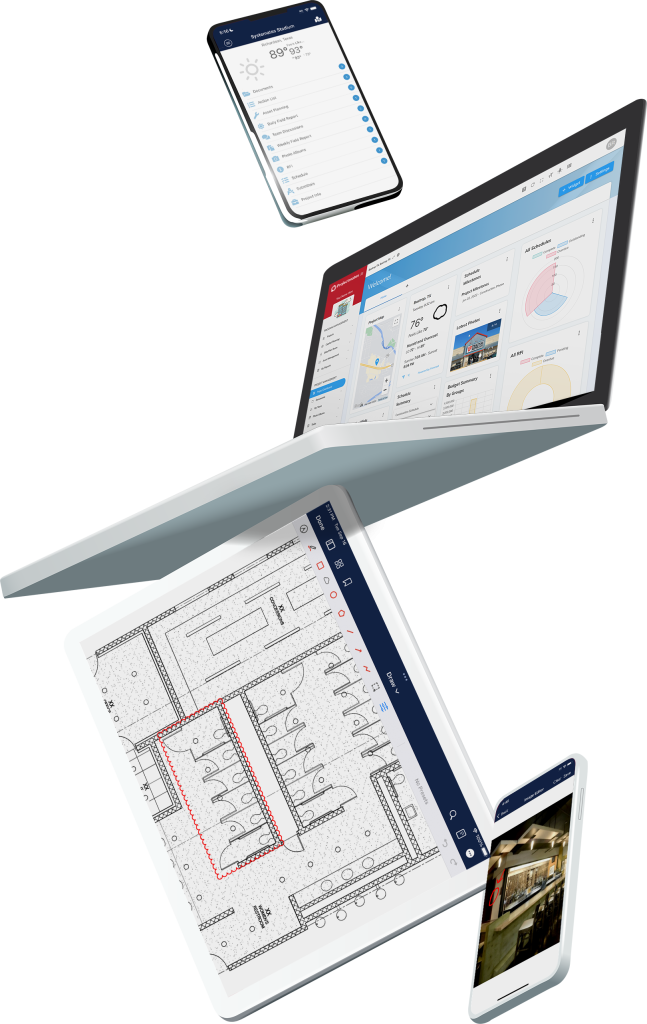
Construction teams can spot a useful tool when they see one.
The harder part is convincing leadership that the change is worth the investment and the disruption that comes with it. A thoughtful approach can help you demonstrate the value of new construction technology and gain support from decision-makers.
Here are several practical ways to build that case.
How Do You Build a Strong Business Case for New Construction Technology?
Before approaching leadership or IT about adopting a new platform, start by building a clear case for the value it brings to the organization.
Focus on the specific problems the technology will solve. For example:
• Difficulty tracking project budgets across departments
• Slow change order approvals
• Project updates buried in spreadsheets and email threads
• Limited visibility for executives and stakeholders
Leadership responds to concrete operational problems. When you connect a solution directly to those challenges, the conversation becomes much easier.
You can strengthen your proposal further by sharing real-world examples from organizations already using the software. Case studies and peer experiences help leadership visualize the impact and reduce the perceived risk of adopting a new system.
A well-researched proposal that highlights measurable improvements in efficiency, visibility, or risk management makes it easier for decision-makers to support adoption.
Why Is It Important to Address the Risks of Outdated Construction Technology?
Sometimes the strongest argument for change comes from examining the risks of standing still.
Legacy tools can quietly introduce operational problems over time. When project data lives across disconnected spreadsheets, email chains, and siloed systems, leadership loses visibility into what is actually happening across the portfolio.
Small issues take longer to detect. By the time they surface, they often require more time and money to resolve.
Older systems can also create compatibility challenges as other platforms evolve. Security updates may become limited or unavailable, increasing exposure to cyber threats.
By highlighting how outdated tools can affect visibility, collaboration, and security, you help leadership see modernization as a proactive step rather than an unnecessary disruption.
How Does Ease of Use Impact Construction Technology Adoption?
Ease of use plays a significant role in the success of any new platform.
If a system is complicated or difficult to navigate, teams are far more likely to fall back on familiar tools like spreadsheets or email. That undermines adoption and prevents the organization from realizing the full value of the investment.
When presenting a new solution, emphasize how it simplifies everyday workflows. Show how it reduces manual work, improves collaboration, or centralizes information that teams currently struggle to manage.
You can also strengthen your case by volunteering to become an internal champion for the system. By acting as a go-to resource during adoption, you help colleagues learn the platform and build confidence in the new technology.
Having a dedicated internal advocate often makes leadership more comfortable approving a new system because someone inside the organization is actively supporting its success.
Why Is Training Critical When Implementing New Construction Technology?
Technology only delivers value when people actually use it.
Without proper onboarding and training, even a well-designed platform can struggle to gain traction. Teams may revert to old processes, data may become inconsistent, and leadership may begin questioning whether the investment was worthwhile.
Emphasizing the importance of training helps leadership see adoption as a process rather than a one-time implementation.
Training also provides an opportunity to re-evaluate existing workflows. In many cases, introducing new technology encourages organizations to streamline processes, eliminate inefficiencies, and standardize how projects are managed across teams.
Who Should Be Involved When Introducing New Construction Technology?
Technology adoption rarely succeeds without support from key stakeholders.
Identify influential individuals within your organization who can help advocate for the solution. This may include project managers, department leaders, or executives responsible for project oversight.
When these individuals understand the value of the new technology and support its adoption, their voices can carry significant weight with leadership.
Building a coalition of supporters helps ensure the conversation around adoption moves forward with broader organizational backing.
Moving Construction Technology Adoption Forward
Introducing new construction technology isn’t just about presenting an impressive product.
Successful adoption happens when someone inside the organization connects the technology to real operational challenges and demonstrates how it can improve project outcomes.
When leadership understands how a new platform can increase visibility, reduce risk, and improve collaboration across projects, the conversation shifts from skepticism to opportunity.
And that’s when meaningful change starts to happen.
Frequently Asked Questions (FAQs)
The most effective way to gain leadership support is to connect the technology directly to operational challenges. Instead of focusing on features, show how the platform solves real problems such as limited project visibility, slow change order approvals, or difficulty tracking budgets across projects.
Decision-makers are more likely to support new construction software when they clearly understand how it improves project outcomes, reduces risk, or helps teams operate more efficiently.
Technology adoption often slows down because new systems introduce risk. Leaders must consider cost, training requirements, potential workflow disruption, and whether the solution will actually deliver the expected value.
Many organizations also rely on legacy tools or disconnected spreadsheets that have been in place for years. Moving to a centralized platform, such as a project management information system (PMIS), requires both technical change and organizational alignment.
Successful adoption usually happens when someone inside the organization builds a clear business case, demonstrates the operational benefits, and helps guide the rollout internally.
Successful adoption usually comes down to three factors: leadership support, ease of use, and proper training.
When teams understand how a platform improves their daily work and receive adequate onboarding, they are far more likely to use the system consistently. Having an internal champion who supports colleagues during the transition can also significantly improve adoption.
A strong business case should outline the specific operational challenges the technology will solve and the measurable benefits it can deliver.
Examples may include improved project reporting, better budget visibility, faster document approvals, or stronger collaboration between stakeholders. Providing examples from other organizations that have successfully implemented the technology can also help build confidence in the decision.
A project management information system, often referred to as a PMIS, is a centralized platform used to manage and track construction projects. It brings together key project information such as budgets, schedules, documents, approvals, and reporting in a single system.
For many construction Owners, a PMIS replaces disconnected spreadsheets, email chains, and siloed tools with a single source of truth for project data.
By centralizing information and standardizing workflows, a PMIS helps organizations improve visibility across projects, track financial performance more effectively, and ensure that stakeholders have access to accurate, up-to-date information throughout the project lifecycle.