We were headed down I-20 to the lake—just me and my son, a few weeks into his first semester as an engineering major. He’s the kind of kid who grew up building worlds in Roblox, optimizing homework with Python scripts, and casually explaining APIs to me at dinner. He’s wired to think in systems.
As we passed a massive Amazon distribution center under construction, he looked out the window and asked:
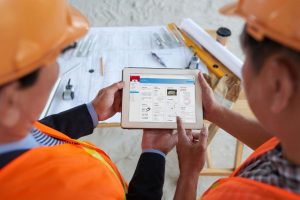
“If you were running that job site, how would your company’s software make it easier?”
I’ve been in this business a long time, but that question stopped me. Because beneath it was something bigger: Why is this still so hard?
So I laid it out for him.
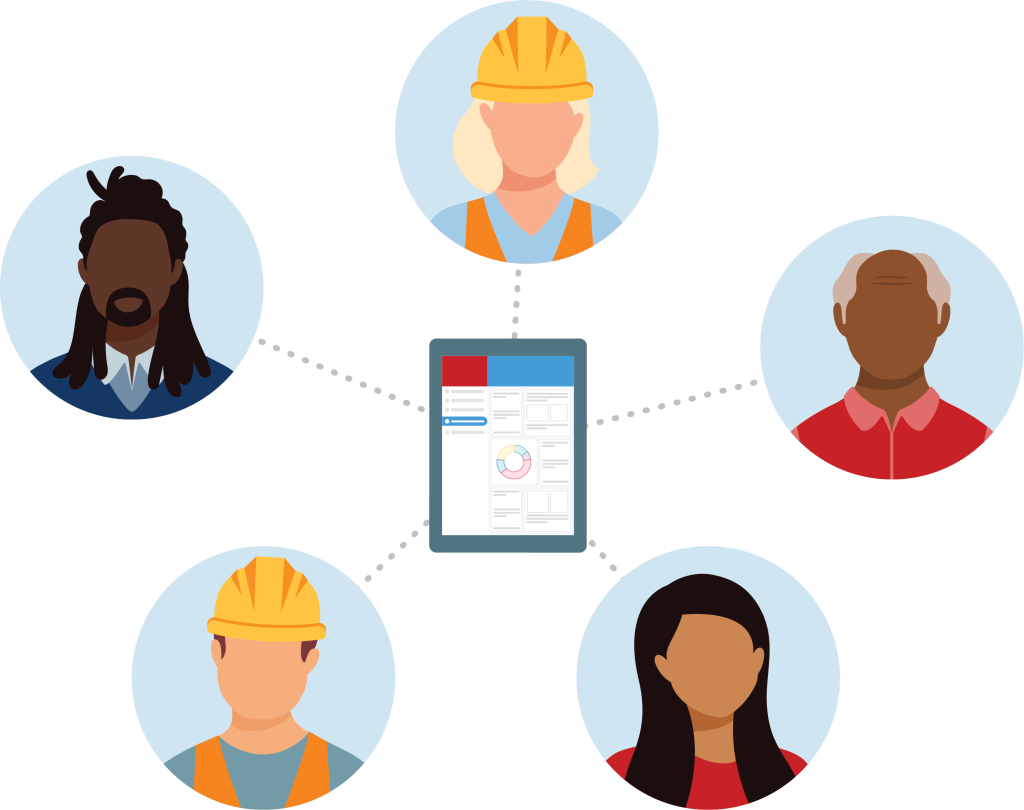
“Let’s say you’re the Owner,” I said. “You’ve got your GC, the architects, the subs. Your job? Deliver the project on time, on budget. But here’s the reality: everyone’s working in silos—email threads, text chains, spreadsheets, Dropbox folders, site visits. It’s fragmented. And as the Owner, you’re left chasing down answers.”
He paused, then said, “Wait—so the person funding the project doesn’t automatically know what’s going on?”
Exactly.
This Isn’t Just a Tech Problem—It’s a Control Problem
Owners aren’t asking for the moon. They just want visibility.
We’ve all gotten used to construction being a bit chaotic. But the truth is, it doesn’t have to be. And when I explained to my son what it could look like, I saw the light bulb go on.
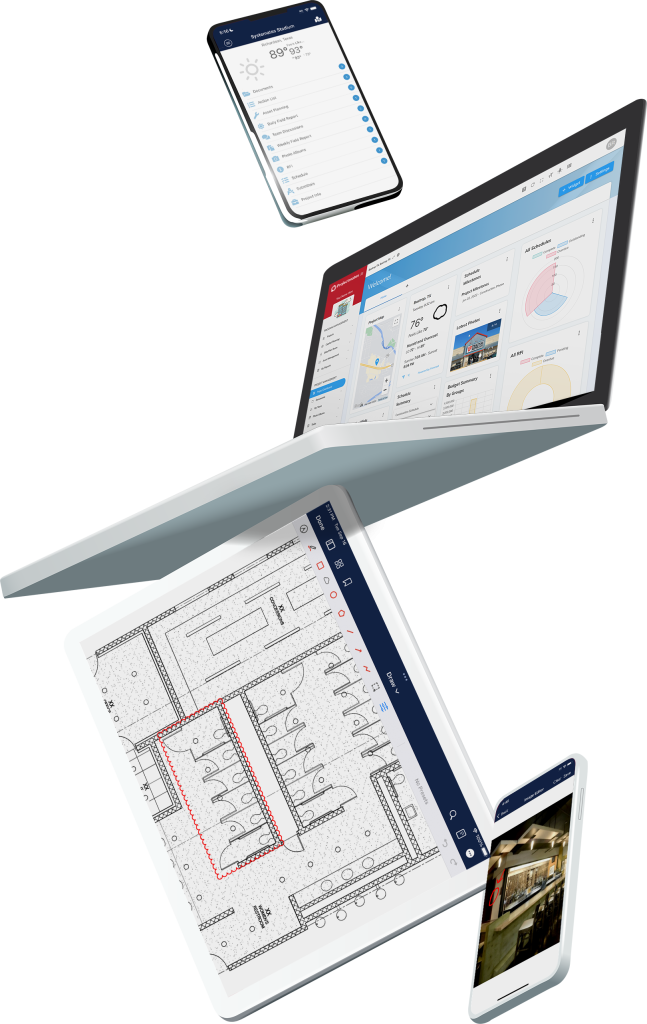
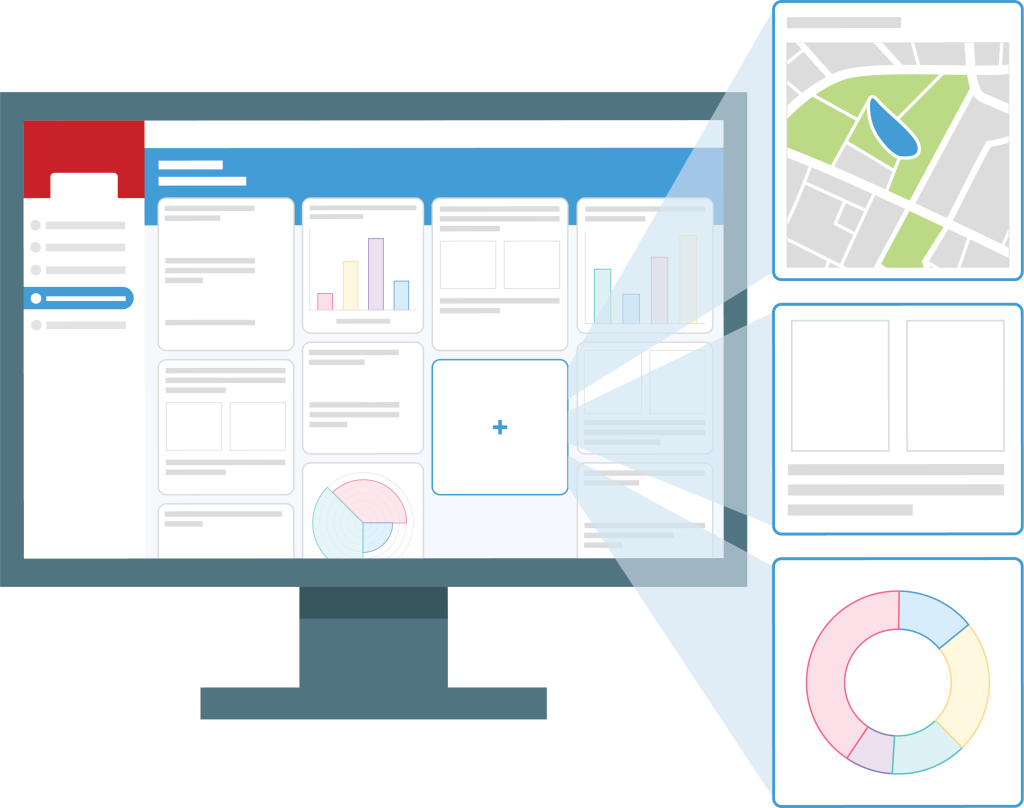
“Now imagine,” I told him, “Every document, every photo, every change order and inspection—synced in real time. One login. One dashboard. One place where you can actually see how things are going.”
He leaned in, genuinely interested now.
“So basically… you’re taking the complexity of a massive group project and turning it into a shared dashboard?”
“Yep,” I said. “But with more rebar.”
He Could See the Construction software Problem—and the Fix
Here’s what struck me: it didn’t take years in the industry to understand why this mattered. A college freshman could see it. Because he’s grown up expecting transparency, instant updates, and systems that make life easier, not harder.
And shouldn’t Owners expect the same?
If someone like my son—with no boots-on-the-ground experience—can immediately grasp how frustrating it must be to manage a multi-million dollar build without centralized visibility, then what are we doing still tolerating this?
Why Should Experienced Owners Settle for Less?
At one point during the drive, my son asked, “Why hasn’t everyone switched to something better?”
That one stung a little.
Because honestly? A lot of great builders have been burned by tech that overpromised and underdelivered. And many are still using tools that haven’t evolved in 10+ years.
But you shouldn’t need a workaround for your own software. You shouldn’t need to cross your fingers every time you ask for a project update.
You’ve done the hard part—managing stakeholders, making calls under pressure, solving real-world issues on real-world jobsites. The software should make your job easier, not harder.
Complex Construction Projects Deserve Simple Software
Construction projects are only getting more complicated—supply chain delays, lender scrutiny, labor shortages, rising material costs. But that doesn’t mean your tools should add to the noise.
I told my son, “The more moving parts there are, the more important it is to have one place where it all comes together. That’s what Projectmates does. It doesn’t just organize things—it gives Owners control in real time.”
He nodded. “Makes sense. You can’t fix what you can’t see.”
Time to Build Smarter, Not Harder
So yeah, the Amazon job site sparked a good conversation. But more than that, it reminded me just how unnecessary the chaos has become. And how far we’ve come in giving Owners tools that finally match the complexity—and importance—of the work they do.
If you’re tired of operating in the dark, chasing updates, or managing projects with duct-taped systems, let’s talk.
You deserve better. Projectmates is ready when you are.
Frequently Asked Questions About Evaluating Construction Software
Focusing on the end-user experience ensures that the software is intuitive and meets the practical needs of those who will use it daily. A user-friendly interface can lead to higher adoption rates, increased productivity, and reduced training time.
Effective construction software can streamline workflows, enhance communication among stakeholders, and provide real-time data for informed decision-making. By centralizing project information, it reduces errors and delays, leading to more efficient project execution.
Owners should prioritize features such as:
Comprehensive Project Tracking: Monitor progress, budgets, and timelines.
Document Management: Organize and access project documents easily.
Collaboration Tools: Facilitate communication among project teams.
Customization Options: Adapt the software to specific project needs.
Engaging stakeholders ensures that the selected software addresses the diverse needs of all users. Their input can highlight essential features, potential challenges, and training requirements, leading to a more successful implementation.
Projectmates offers a comprehensive solution that includes:
User-Friendly Interface: Designed for ease of use across all user levels.
Real-Time Updates: Keep all stakeholders informed with up-to-date information.
Scalable Solutions: Adapt to projects of varying sizes and complexities.
Robust Support: Access to training and customer service to assist with implementation and ongoing use.