Why Construction Finance Teams Struggle with Real-Time Visibility
The call usually comes after the damage is done. A project overspent by eight percent. A vendor invoice left hanging. A forecast no one trusts.
I’ve seen this first-hand and it isn’t a one-off.
According to CFMA’s Construction Cost Management Report, one in three construction projects runs over budget, and even top-performing firms report that one in five still fails to meet cost estimates.
Finance leaders know exactly why: the data they need most often arrives too late. In a survey of U.S. CFOs, nearly half of the respondents (49%) expressed concern that a lack of visibility into cash flow indicates their business is making decisions with inaccurate or outdated information.
When finance runs behind the field, decisions slow, margins thin, and risk quietly compounds in the background.
The Cause: How Data Silos Slow Construction Financial Management
Walk into most construction finance offices and you’ll see the same setup: spreadsheets, email threads, and systems that barely talk to each other.
Each department has its own version of the truth, and none of them match.
Research from KPMG’s “Cue Construction 4.0” found that only 36% of construction companies share data effectively across departments, while 61% report serious problems caused by isolated data silos.
Those silos stem from years of patchwork fixes. Many firms still rely on legacy accounting tools or manual data entry in Excel, which slows reconciliation and invites error.
MNP’s 2025 Construction Finance Outlook notes that “disconnected spreadsheets and legacy systems make it nearly impossible to get a real-time view of project finances.”
The result is predictable: blind spots, duplication, and delays that turn what should be strategic decision-making into reactive damage control.

The Shift: Real-Time Financial Alignment in Construction
The solution isn’t more data. It’s connected data.
A unified environment where project activity, commitments, and budgets update automatically, and everyone sees the same source of truth.
Industry trend reports point to a clear shift. In CFMA’s “From Data Silos to Financial Clarity”, experts note that “real-time financial integration allows leaders to eliminate inefficiencies, reduce reporting errors, and make faster, more confident decisions.”
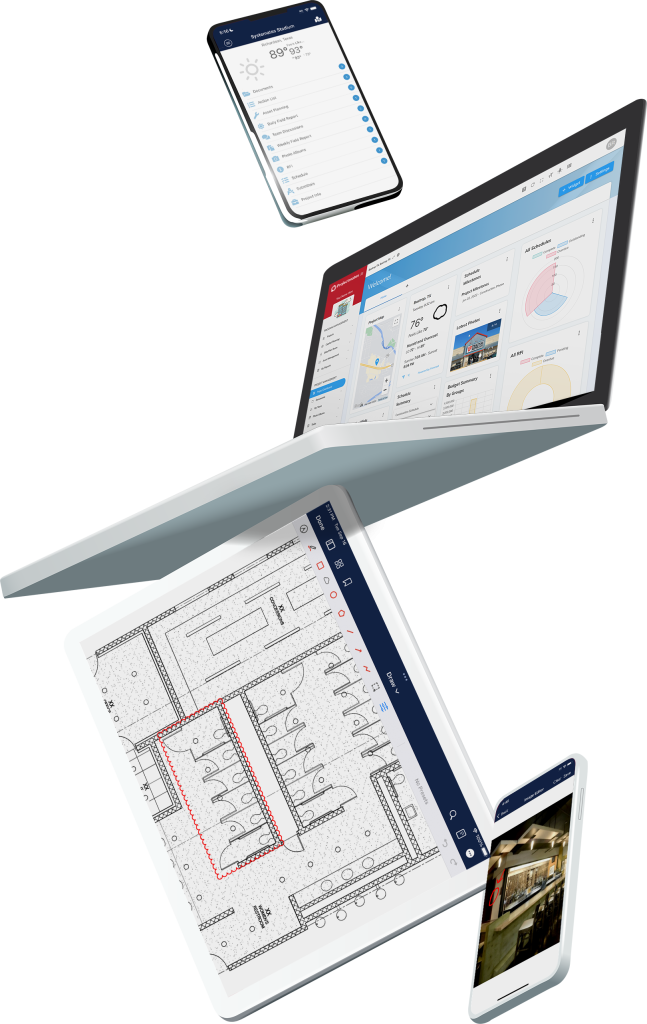
Modern, Owner-focused construction systems make that shift possible, combining real-time visibility, automation, and control into one environment.

The advantages are clear:
- Real-Time Budget Visibility
Every project decision carries financial weight. In a centralized system, budgets update automatically as commitments, change orders, and invoices are entered. That means finance leaders can see in real time how a single cost shift impacts overall program funding without waiting for the next reporting cycle. - Seamless Integration with Accounting Systems
Connected environments integrate directly with ERP and accounting platforms, ensuring project-level data flows cleanly into the financial system. This reduces manual entry, minimizes reconciliation errors, and gives finance teams confidence that what they’re seeing in the books reflects what’s happening in the field. - Streamlined Approvals and Audit Trails
Approvals often bottleneck financial workflows. Automated routing keeps projects moving while maintaining full transparency. Every transaction creates a complete digital audit trail, simplifying compliance and making audits smoother. - Centralized Document Control
From contracts and purchase orders to invoices and change orders, every document lives in one place. That improves accuracy and ensures everyone from the CFO to the project engineer works from the same data set. - Powerful Forecasting and Reporting
Static reports can’t keep up with today’s pace. Advanced forecasting tools and customizable dashboards highlight trends, risks, and opportunities before they become financial pain points. Leaders can instantly generate reports on budget variance, cash flow, and commitments across their portfolio, empowering data-driven decisions at every stage.
When information flows freely and automatically, finance doesn’t have to react. It leads.
The Proof: How a Healthcare Owner Transformed Construction Financial Oversight
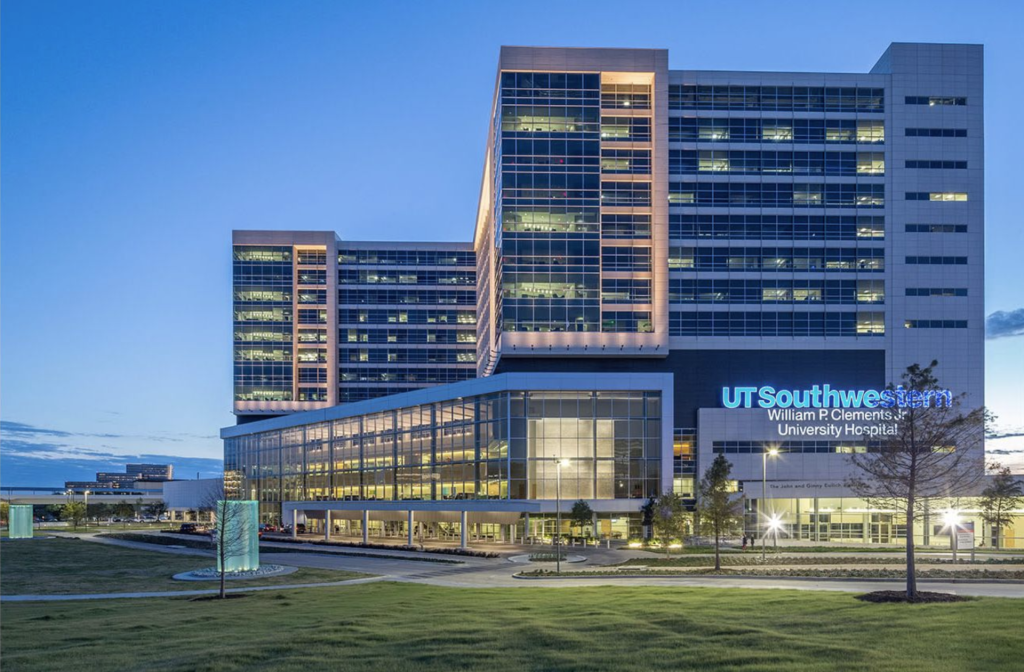
When UT Southwestern Medical Center launched its $1.1 billion capital program, precision was non-negotiable. Multiple facilities, funding sources, and stakeholders meant even a small blind spot could snowball into major overruns.
Before modernizing their approach, the finance and project management teams lived in separate systems. Reports were delayed, reconciliations were manual, and no one had the full picture.
That changed when they centralized project and financial data into a shared, real-time system. The results were immediate: faster invoice processing, cleaner reconciliations, and audit-ready transparency.
The shift wasn’t just about adopting new software; it was about using the software to create a governance model where every financial decision left a digital trail.
The Outcome: How Real-Time Visibility Empowers Construction Finance Leaders
Most finance teams can describe what happened yesterday. The best ones know what’s happening right now and what’s coming next.
Construction CFOs are moving toward proactive financial management, embedding real-time variance alerts and predictive forecasting into daily workflows.
Construction finance will never be simple, but it doesn’t have to be reactive.
By closing the gap between operations and accounting, today’s CFOs are turning visibility into control and control into strategy.
Frequently asked Questions (FAQ)
Because financial data typically arrives after the fact. When budgets, invoices, and forecasts live in separate systems or spreadsheets, by the time finance teams reconcile the numbers, decisions have already been made in the field. The lag turns every report into a post-mortem instead of a decision-making tool. Platforms like Projectmates close that gap by updating financial data in real time as projects progress.
Disconnected systems. Many organizations still rely on legacy accounting tools or Excel-based reporting, which create data silos and slow reconciliation. Without integration between the field, operations, and accounting, there’s no single source of truth to act on. Projectmates integrates project management and financial data in one environment, giving everyone access to the same live information.
Connected data ensures that every cost change, commitment, and invoice instantly updates the project budget. This eliminates duplicate entry, reduces reconciliation errors, and lets finance leaders see the impact of project decisions in real time. Projectmates automates that process, turning fragmented data into actionable financial insight.
Common red flags include delayed reports, frequent budget overruns, manual approvals, inconsistent forecasts, or confusion over which data is correct. If “wait for the next report” is a common answer, it’s time to modernize. Solutions like Projectmates help teams replace manual reporting with live dashboards that show exactly where budgets stand.
It means one connected environment where field activity, budgets, and accounting data flow automatically. Approvals are routed digitally, documents live in one place, and dashboards provide live insights into cash flow, budget variance, and risk across the entire portfolio. That’s exactly how Projectmates helps Owners bring finance and operations into alignment.
By centralizing project and financial data into Projectmates, UT Southwestern eliminated manual reconciliations, sped up invoice processing, and created a full digital audit trail. The result was cleaner reporting, stronger governance, and complete financial transparency.
Proactive finance teams don’t just report on what happened—they predict what’s next. With real-time dashboards, alerts, and forecasting tools inside Projectmates, CFOs can identify risks early, make informed adjustments, and strengthen both margins and trust across every project.