Insights from Our Conversation with Industry Veteran James G. Norcom III, FMP, CJP
The construction labor shortage is no longer a future threat, it’s driving delays, rework, and risk across active construction programs right now.
Across industries, from healthcare and higher education to retail, government, and commercial real estate, Owners are facing the same accelerating challenge: the institutional knowledge behind construction projects is disappearing faster than it can be replaced.
In our recent webinar with James G. Norcom III, FMP, CJP, veteran facilities and construction leader and former Principal Project Manager at the University of Houston, we explored the growing “workforce cliff” and what Owners can do now to protect their projects, programs, and long-term investments.
Norcom brings more than 40 years of experience leading multimillion-dollar capital programs. Today, he advises Texas institutions on building resilient, repeatable project delivery systems, making him the ideal voice to tackle this challenge.
Our discussion surfaced several patterns. And, even more importantly, clear steps Owners can take to protect their capital programs.
Here’s what we uncovered.
The Workforce Cliff Is Here… and It Hits Owners the Hardest
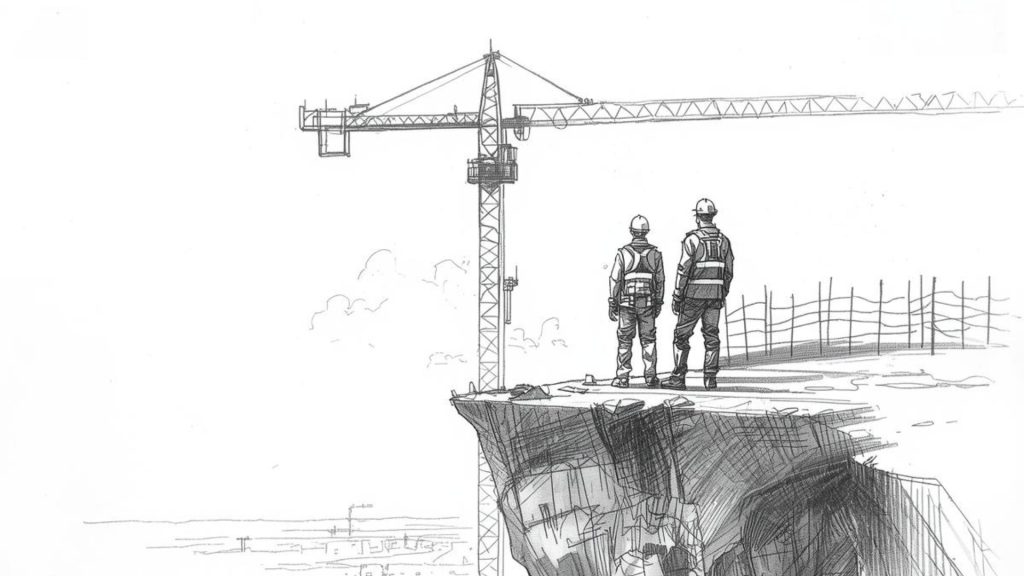
Turnover and retirement aren’t future problems. They’re here now.
- A large portion of the construction and facilities workforce is nearing retirement.
- Among those not retiring, project managers often stay two years or less with an employer.
- Many leave in the first year, long before they’ve fully absorbed the Owner’s processes.
- Project-based roles make transitions even more frequent.
For Owners, the risk is simple: When key people leave, so does critical project knowledge, unless you’ve deliberately captured it.
And unlike contractors or consultants, Owners must preserve this knowledge across decades of construction projects, not just one project.
What Happens When Knowledge Walks Out the Door?
Every Owner has felt some version of this pain. But Norcom helped articulate the patterns clearly.
1. Schedules Slip Even When the Work Doesn’t
New team members waste time rediscovering where the project stands, what decisions were made, which approvals are pending, and which issues were already resolved. The work continues, but the Owner’s decision-making slows down because no one has the full picture.
2. Quality and Scope Drift
When the “why” behind earlier decisions disappears, people fill the gaps with assumptions. Lessons get repeated. Design deviations lose context. Field changes multiply because no one remembers the rationale that kept them in check the first time. You end up paying for decisions twice: once in planning and again in rework.
3. Safety and Compliance Risks Increase
Hospitals lose track of specialized constraints. Universities struggle to maintain continuity between architects, campuses, and multi-phase builds. Retail and commercial groups see standards erode. These gaps aren’t always catastrophic, but they are always expensive.
4. Improvement Stalls
Programs only mature when knowledge compounds. If every departure resets the understanding, you’re stuck rebuilding processes instead of refining them.
Why Knowledge Loss Happens: Scattered Systems & Tribal Memory
When knowledge isn’t centralized, it becomes fragile.
Norcom has seen it repeatedly: Teams rely on inboxes, personal drives, ad-hoc spreadsheets, scattered folders, and institutional “sages.”
When those people leave, the organization loses:
- Decision history
- Contract context
- Budget logic
- Design rationale
- Lessons learned
Owners then spend weeks or months reconstructing a narrative that should have been readily available.

What Resilient Owners Do
We asked Norcom directly: “What separates Owners who fall off the workforce cliff from those who stay ahead of it?”
His recommendations were clear.
1. Treat Knowledge Capture as a Required Outcome
This isn’t a courtesy or a nice-to-have. It has to be part of the deliverable.
Decisions need to be documented in the same place. The reasoning needs to live alongside the decision. Attachments, comments, and approvals need to be stored centrally instead of buried in email. As Norcom put it, trust but verify, and verify inside the system.
2. Use a PMIS as the Owner’s Single Source of Truth
Contractors can move on once a project closes. Owners can’t. They often have to defend decisions years later. A PMIS becomes the memory of the program: RFIs, change orders, approvals, meeting minutes, decisions, and the rationale behind them.
When someone leaves, the next PM doesn’t start blind. They start informed.
3. Build a Better Onboarding Path (Not Just Orientation)
New PMs shouldn’t need to reverse-engineer how your organization works. The strongest Owners use their PMIS to onboard effectively by giving new hires a dedicated project to practice in, embedding training materials into dashboards, and using templates that teach “how we do business here” without anyone having to explain it from scratch.
This shortens ramp-up time and prevents process drift.
4. Keep Work Moving When Someone Leaves
Turnover doesn’t have to derail anything. With true ball-in-court visibility, teams can immediately see outstanding invoices, pending change orders, overdue tasks, workflow bottlenecks, and active risks. No one has to guess what’s waiting on whom.
5. Capture Lessons Learned While They’re Fresh
Norcom emphasized that too many organizations lose hard-earned knowledge because it never gets written down. When lessons are structured, searchable, and tied to the project context, they become reusable. The next renovation, rollout, or new build starts smarter than the last one.
That’s how Owners move from reactive to resilient.
What This Means for Owners

Whether you’re managing hospitals, higher ed campuses, distribution centers, retail programs, civic buildings, or corporate facilities, the challenge is the same:
People will leave.
Projects will continue.
Knowledge will either stay with the organization or disappear.
The Owners who navigate this moment successfully are the ones who:
- Design for turnover
- Build resilient processes
- Establish a single source of truth
- Document decisions and rationale, and
- Train people inside the system they’ll use every day
The workforce cliff isn’t avoidable. But with the right approach, you don’t go over the edge… you rise above it.
To explore these strategies in depth, you can watch our full conversation with James Norcom here.
Frequently Asked Questions (FAQ)
Because Owners stay accountable long after contractors and consultants roll off. When someone leaves without documenting what they know, the context behind budgets, approvals, and design choices disappears with them. That loss slows projects and creates avoidable risk.
New team members spend too much time re-learning the project: what’s pending, what’s approved, what’s already been resolved. The field might be moving fine, but the Owner’s decision-making drags.
They’re scattered, inconsistent, and depend entirely on personal habits. If one person leaves or misfiles something, the program loses the thread. Owners need one place where the full story actually lives.
It centralizes decisions, documents, approvals, and the reasoning behind them. When someone steps out, the next person walks into clarity instead of chaos.
Design for turnover instead of hoping to avoid it. Capture decisions as part of the workflow, standardize processes, and make the system—not individual people—the holder of institutional knowledge.