Airport terminals around the world are entering a new phase of modernization. Instead of building entirely new mega-terminals, many airport authorities are prioritizing phased upgrades to existing infrastructure that improve sustainability, integrate new technology, and enhance passenger experience. Recent aviation infrastructure reports highlight a growing shift toward renovating and expanding existing terminals while airports remain fully operational.
This shift is changing the role of airport construction management.
Airport construction projects must now balance infrastructure upgrades with ongoing operations involving airlines, security agencies, cargo logistics, and millions of passengers. As terminals evolve to support new technologies and sustainability goals, owners must coordinate increasingly complex capital programs across active airport environments.
Understanding how airports manage these programs is becoming critical as modernization accelerates across the aviation industry.
Why Airport Construction Is More Complex Than Other Infrastructure Projects
Airports are among the most operationally sensitive construction environments in the world.
Construction teams must work within strict aviation safety regulations while coordinating with operational schedules that run nearly 24 hours a day. Even small disruptions can have cascading impacts on passenger travel and airline operations.
Several factors make airport construction uniquely challenging:
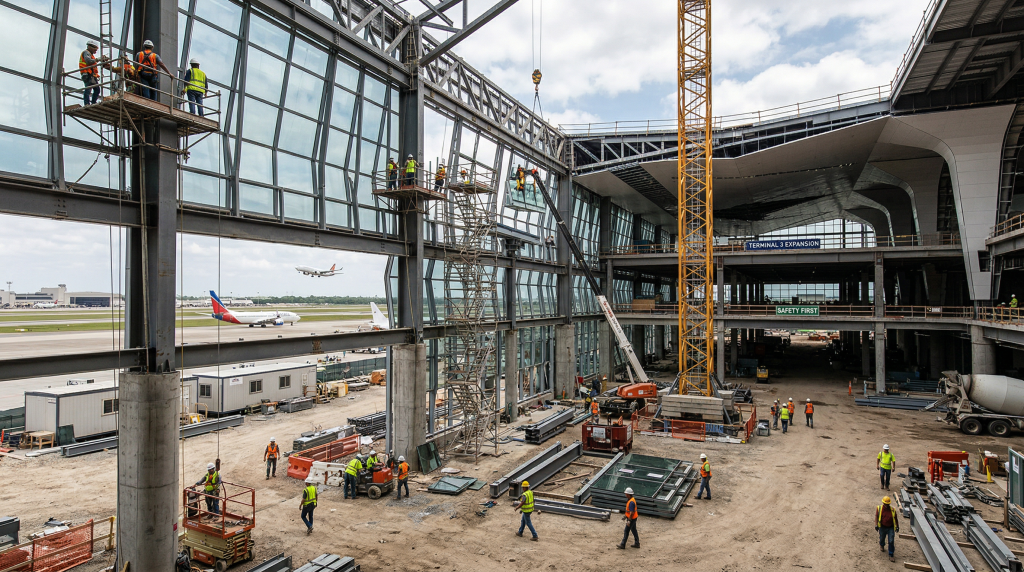
Continuous operations
Terminals, runways, and cargo facilities must remain operational while construction occurs. This requires phased construction schedules that minimize disruption to passenger movement and airline activity.
Security and regulatory requirements
Airports operate under strict security protocols that affect where construction teams can work, how materials are delivered, and how personnel access certain areas.
Multiple stakeholder groups
Airports involve numerous stakeholders whose operations intersect with construction projects. Clear communication between these groups is essential to prevent delays and operational conflicts.
Complex infrastructure systems
Modern terminals integrate advanced technology systems, security infrastructure, baggage handling equipment, and sustainability initiatives, all of which must be coordinated during construction.
Because of these factors, airport construction management focuses heavily on coordination, transparency, and consistent communication across project teams.
Terminal Modernization Is Replacing the Mega-Terminal Era
For decades, airport expansion often meant building entirely new terminals.
Today, many aviation authorities are focusing instead on strategic modernization of existing facilities.
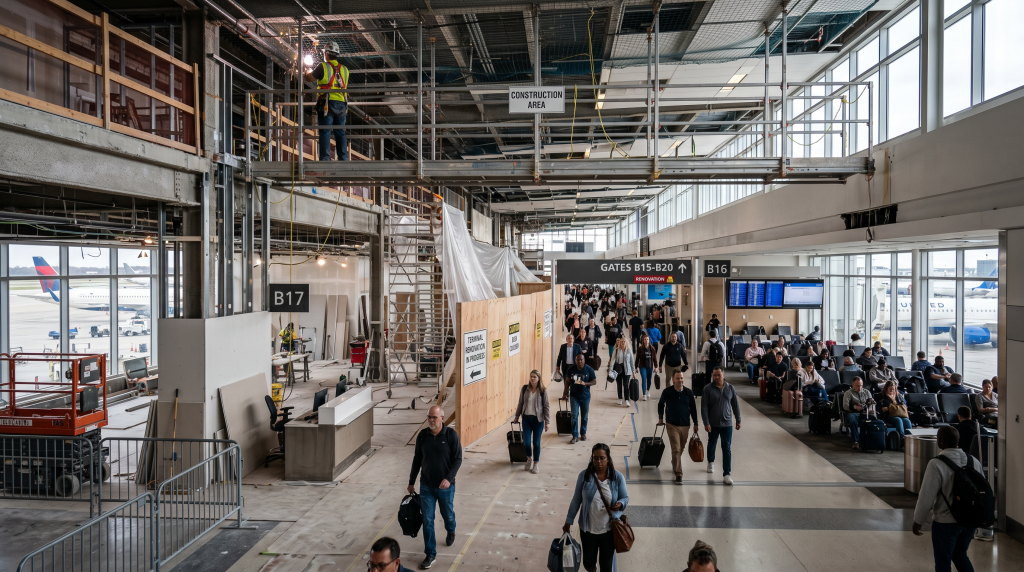
Recent industry analysis suggests airports are prioritizing phased renovation projects that improve existing infrastructure rather than constructing massive new standalone terminals. These modernization efforts allow airports to improve passenger experience while maintaining operational continuity.
This shift reflects several realities facing aviation owners:
- Many terminals built in the late 20th century now require significant upgrades
- Passenger expectations for comfort and efficiency have increased
- Sustainability goals require improved building performance
- Airports must manage growth without disrupting daily operations
Instead of one large construction project, airport authorities now manage long-term capital improvement programs composed of multiple projects across terminals, airfields, and supporting infrastructure.
Maintaining visibility across these programs has become a critical component of successful airport construction management.
Sustainability Is Expanding Airport Capital Programs
Sustainability initiatives are reshaping how airports plan and deliver infrastructure projects.
Airports around the world are working to reduce carbon emissions and improve environmental performance through new terminal designs and operational upgrades.
Common sustainability initiatives now incorporated into terminal modernization projects include:
- Energy-efficient building systems
- Electrification infrastructure for ground operations
- Renewable energy integration
- Water management improvements
- Sustainable building materials
These initiatives often extend beyond passenger terminals to include parking structures, maintenance facilities, and airfield infrastructure.
Because sustainability projects frequently occur across multiple facilities simultaneously, airport authorities must coordinate numerous projects as part of a single environmental strategy.
Strong airport construction management practices help ensure these initiatives remain aligned with long-term operational and environmental goals.
Passenger Experience Is Driving Terminal Redesign
Passenger expectations have evolved dramatically over the past decade.
Travelers increasingly expect airports to offer smoother, faster, and more intuitive travel experiences. In response, airport authorities are redesigning terminals to improve the passenger journey from curb to gate.
Modernization projects frequently include improvements such as:
- Expanded security checkpoints
- Larger gate areas and waiting spaces
- Improved wayfinding and digital signage
- Enhanced concessions and retail areas
- Increased natural lighting and open layouts
These upgrades often require complex construction phasing so that parts of terminals remain open while renovations occur elsewhere.
Airport construction management teams must coordinate these efforts carefully to ensure passenger flow and airline operations remain uninterrupted.
Cargo Infrastructure Is Expanding Alongside Passenger Terminals
While passenger experience improvements receive significant public attention, cargo infrastructure is also undergoing rapid expansion.
The growth of e-commerce and global logistics has increased demand for airport cargo capacity. Airports that serve as major logistics hubs are investing heavily in cargo facilities, airfield improvements, and operational infrastructure.
Memphis International Airport (MEM) provides a clear example of how passenger and cargo modernization efforts can evolve together.
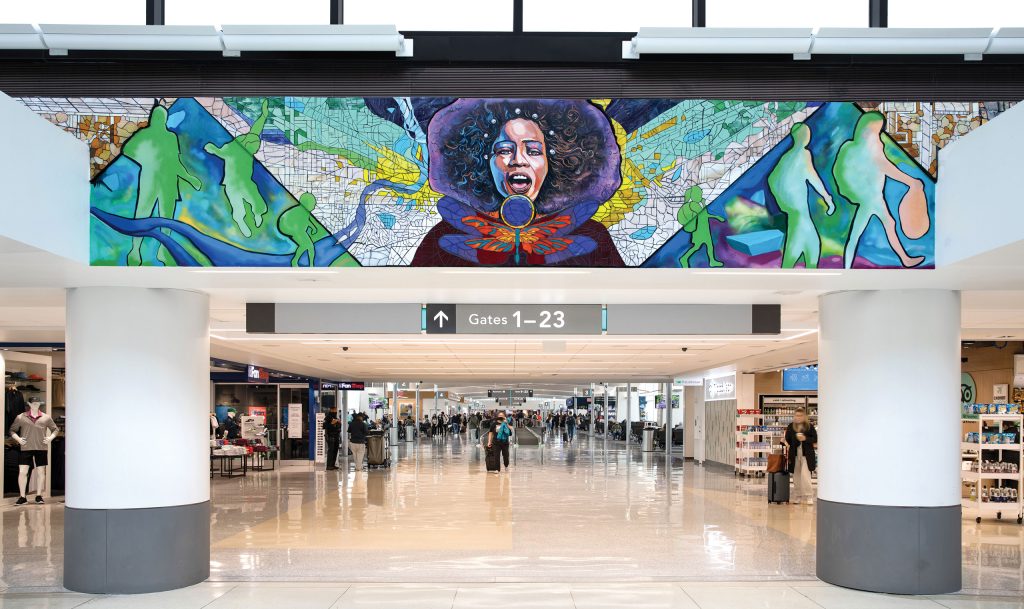
Serving more than 140,000 travelers each month, Memphis International Airport is a premier origin and destination airport in the Mid-South. The airport is also the second-busiest cargo airport in the world and the largest cargo airport in the United States, serving as the home of FedEx’s global Super Hub.
MEM has undertaken significant modernization initiatives in recent years, including the opening of a fully modernized Concourse B and the launch of the Terminal Modernization and Seismic Program (TMSP).
These efforts support the airport’s long-term strategy to enhance passenger experience, improve infrastructure resilience, and support continued growth in both passenger travel and cargo operations.
Projects like these illustrate how airport authorities must coordinate complex capital programs while maintaining their role as critical transportation and logistics hubs.
Visibility Across Capital Programs Is Becoming Essential
As airport modernization programs grow in scale and complexity, many airport authorities are focusing on improving visibility across their construction programs.
Clear program oversight allows airport leadership teams to:
- Track project progress across multiple terminals and facilities
- Coordinate work between numerous contractors and design teams
- Maintain consistent reporting for internal and public stakeholders
- Reduce delays caused by communication breakdowns
When dozens of projects occur simultaneously across an airport campus, centralized oversight becomes essential for maintaining coordination and transparency.
Strong airport construction management practices help ensure modernization efforts stay aligned with operational priorities while delivering long-term infrastructure improvements.
The Future of Airport Terminals Will Depend on Coordination
Airport infrastructure is evolving to meet new demands around sustainability, technology integration, cargo logistics, and passenger experience.
But the success of these efforts will depend not only on what airports build.
It will depend on how effectively airport owners manage the complex capital programs required to deliver those improvements.
Airports are unique construction environments where operations never stop and coordination between stakeholders is critical. As modernization accelerates across the aviation industry, effective airport construction management will play an increasingly important role in helping airports deliver resilient, efficient infrastructure for the future.
Frequently Asked Questions (FAQs)
Airport construction is more complex because projects must be completed while the airport remains fully operational. Teams must work around flight schedules, security protocols, and passenger movement, while coordinating between airlines, government agencies, contractors, and airport staff.
Many airports are prioritizing phased terminal renovations because they allow infrastructure upgrades without shutting down operations. This approach also helps control costs, extend the life of existing facilities, and adapt to evolving passenger and technology needs over time.
Many airports are prioritizing phased terminal renovations because they allow infrastructure upgrades without shutting down operations. This approach also helps control costs, extend the life of existing facilities, and adapt to evolving passenger and technology needs over time.
Airport modernization programs often involve multiple simultaneous projects across terminals, airfields, and support infrastructure. Common challenges include coordinating stakeholders, maintaining consistent communication, managing phased construction, and ensuring visibility into project performance.
Airports use phased construction strategies that isolate work areas while keeping the rest of the facility functional. This requires detailed planning, clear communication between teams, and strong coordination to minimize disruptions to passengers and airline operations.