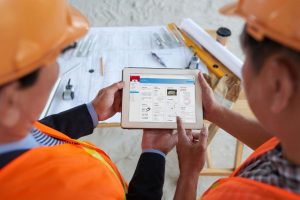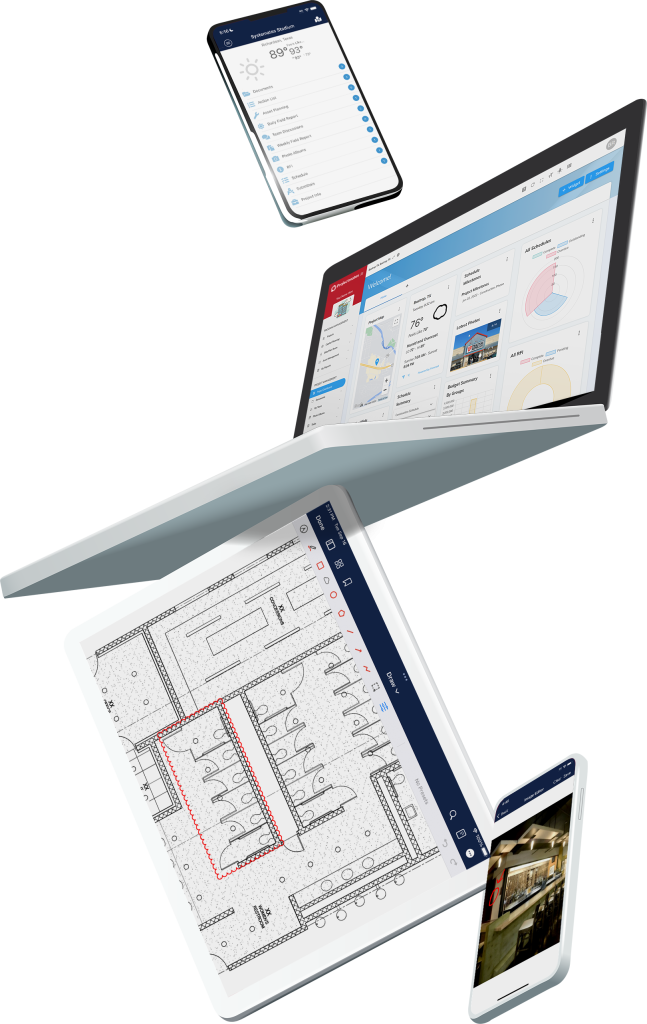
The Old Way vs. The Smart Way
Let’s take a trip back in time—before smartphones—when finding information meant flipping through a phone book or digging through stacks of paper. Managing construction projects used to feel just as tedious. I’ve worked with enough Owners to know the struggle—spending hours tracking down the latest budget update, piecing together project details from scattered emails, and trying to make sense of inconsistent data.
Fast forward to today, and digital tools have completely transformed how we manage projects. Just like we no longer need to memorize phone numbers (thanks, contacts app!), managing complex projects no longer requires outdated, manual methods.
As a Solution Consultant, I help Owners and project teams navigate these challenges every day. One of the most effective tools I’ve seen make a real impact is a Project Management Information System (PMIS). It keeps projects on track, teams aligned, and information accessible in real time.
But what does that REALLY mean for Owners like you who deal with the day-to-day challenges of construction program management? Let’s break it down.
How Digital Tools Are Changing Construction Project Management
For years, project teams have relied on spreadsheets, email chains, and disconnected systems to manage construction projects. It worked—to a certain degree. But it also led to inefficiencies, errors, and a whole lot of frustration.
Here’s how digital tools, especially a PMIS, help streamline the process:
- All Your Data in One Place
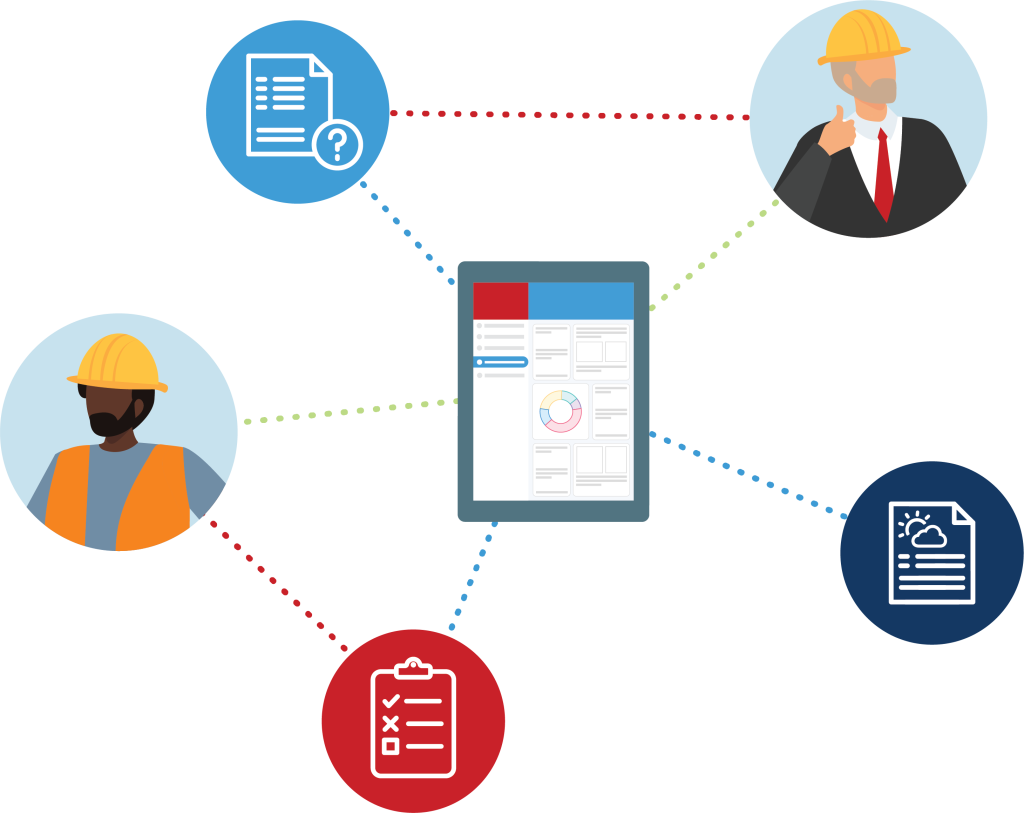
Ever had to chase down the latest budget report or realize too late that your GC is working off an outdated drawing? With traditional methods, project information lives in too many places—emails, spreadsheets, random shared drives—making it easy for things to get lost.
A PMIS changes that by consolidating everything—budgets, schedules, contracts, documentation—into one central platform. No more guessing whether you have the latest version. Everyone stays on the same page, and decisions happen faster.
- Less Manual Work, More Progress
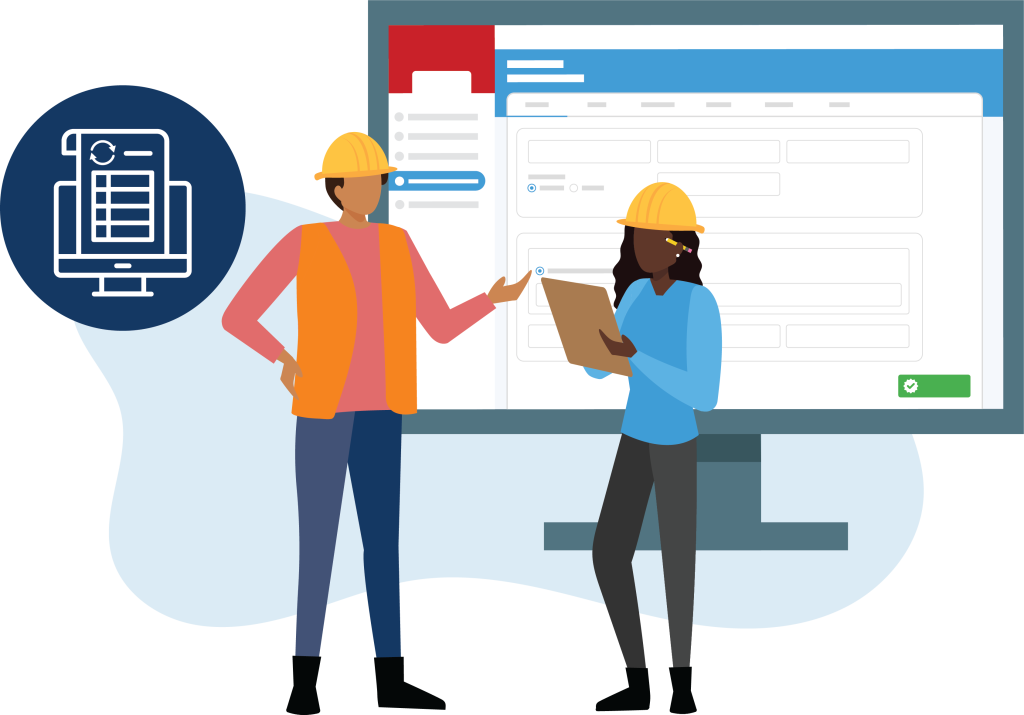
Nobody likes re-entering the same data across multiple systems or chasing approvals that get buried in inboxes. A PMIS automates workflows, approvals, and reporting, reducing repetitive tasks and minimizing the risk of errors. The result? Faster progress, fewer mistakes, and more time spent on actual work instead of admin tasks.
- Instant Insights Instead of Guesswork
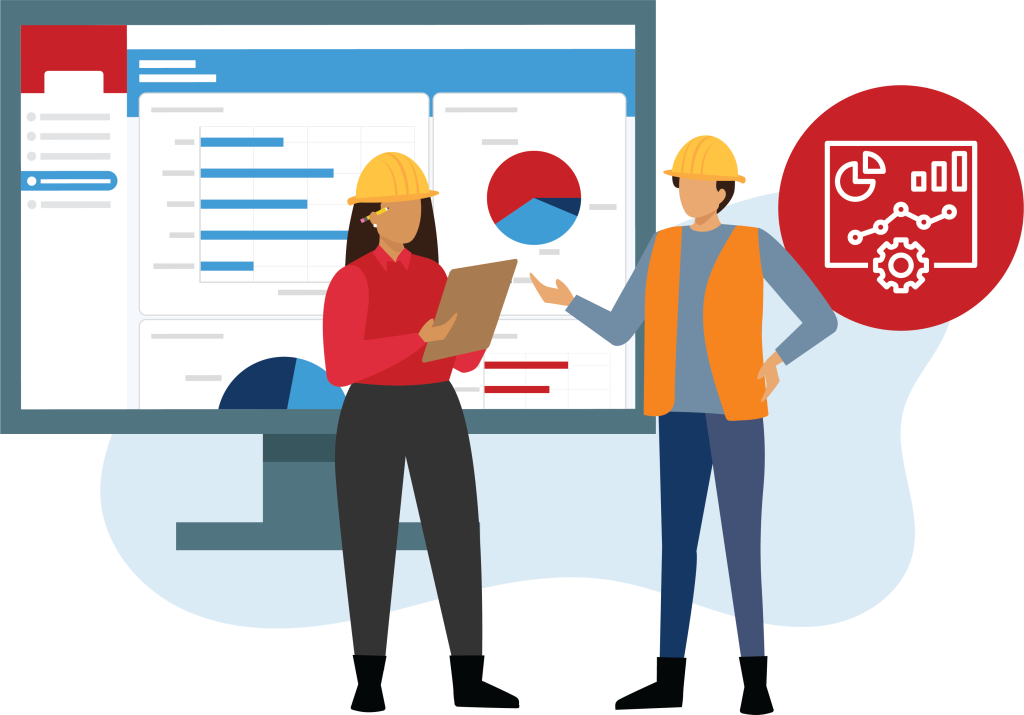
Trying to assess project performance with scattered reports is like putting together a puzzle without all the pieces. With real-time dashboards and reporting tools, a PMIS gives you an instant view of where things stand so you can spot issues early, make adjustments, and keep projects moving forward.
- Better Team Collaboration, No Matter Where They Are
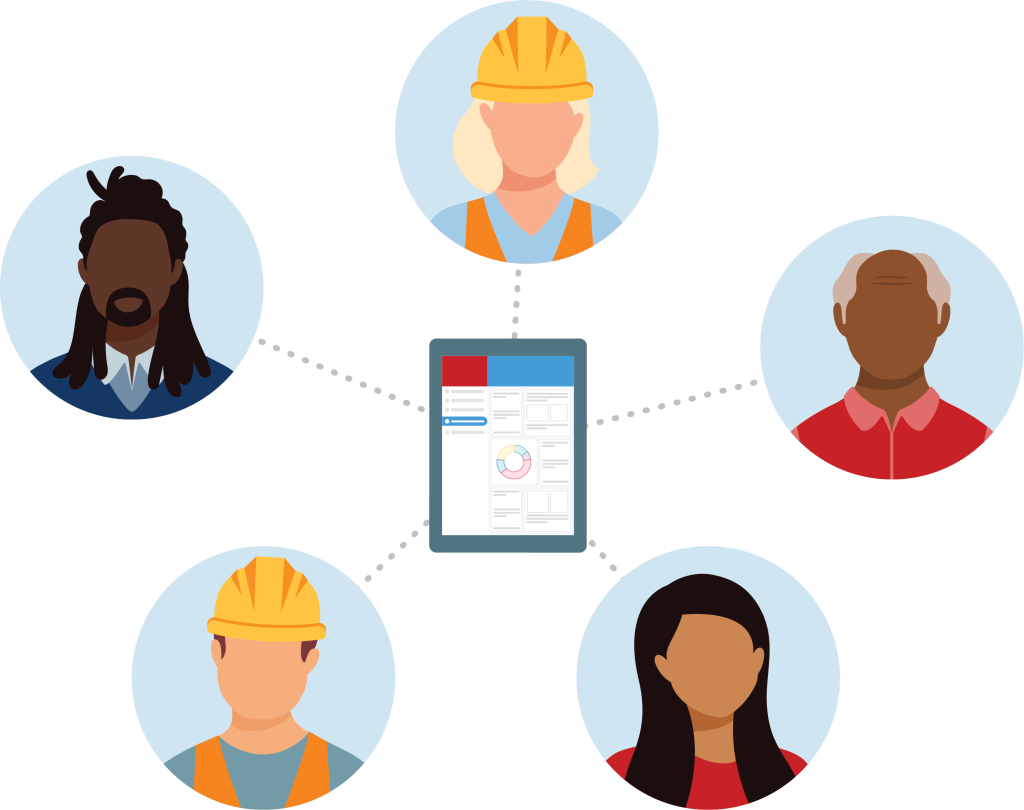
With your teams spread across job sites, offices, and different locations, keeping everyone in sync is a challenge. A PMIS makes collaboration easier by integrating communication, document sharing, and task management into one platform. No more endless email threads or miscommunications—everyone has access to the same up-to-date information when they need it.
- Scales with Your Growth
As projects get bigger and more complex, managing everything manually just isn’t sustainable. A PMIS is built to grow with you, whether you’re handling one project or managing an entire portfolio. And as your needs evolve, it adapts with you, keeping your team ahead of the curve.
Building a Smarter Construction Industry
The shift from spreadsheets and manual processes to digital tools isn’t just about keeping up with technology—it’s about making construction management easier, more efficient, and less stressful for everyone involved.
The goal isn’t to replace what’s worked in the past—it’s to build on it. Just like we’ve moved from landlines to smartphones or from paper maps to GPS, embracing digital tools in construction is about making things simpler, faster, and more effective.
Digital transformation doesn’t have to be overwhelming. Small steps—like exploring what a PMIS can do—can make a big difference in how your teams collaborate, make decisions, and deliver projects successfully.
Contact me so we can take a closer look at how a PMIS fits into your workflow.
Because at the end of the day, managing projects shouldn’t feel like a constant uphill battle—it should feel like progress.
Frequently Asked Questions About Transitioning from Manual to Digital Construction Management
Manual processes persist due to familiarity and resistance to change. Many teams rely on spreadsheets, paper documents, and email chains because they are accustomed to these methods, despite their inefficiencies. However, as projects become more complex, these outdated practices can hinder productivity and increase the risk of errors.
Relying on manual methods can lead to:
Data Inconsistencies: Multiple versions of documents can cause confusion.
Delayed Communication: Important updates may be missed or received too late.
Limited Visibility: Tracking project progress becomes challenging without real-time data.
Increased Errors: Manual data entry is prone to mistakes, affecting decision-making.
Digital tools offer:
Real-Time Collaboration: Teams can access and update information simultaneously.
Centralized Data: All project documents and communications are stored in one place.
Automated Workflows: Routine tasks are streamlined, reducing administrative burden.
Enhanced Reporting: Generate insights quickly to inform strategic decisions.
Key considerations include:
User Adoption: Choose intuitive platforms to encourage team usage.
Integration: Ensure the new system can work with existing tools and processes.
Scalability: Select solutions that can grow with your project portfolio.
Support and Training: Opt for vendors that offer comprehensive onboarding and assistance.
Projectmates provides a comprehensive platform that:
Streamlines Communication: Facilitates real-time updates and collaboration.
Centralizes Documentation: Stores all project materials in an accessible, organized manner.
Automates Processes: Reduces manual tasks through configurable workflows.
Offers Robust Reporting: Delivers actionable insights to keep projects on track.
By adopting Projectmates, owners can enhance efficiency, reduce errors, and gain greater control over their construction projects.