Construction is the process of bringing ideas to life. Every completed project stands as a permanent record of an architect’s vision translated from paper or software into the physical world. But before the work is finished, there’s a lot of documents that contribute to a successful and smooth building process. Construction documentation is critical for ensuring accountability, transparency, risk reduction, and strong coordination across all stakeholders within the project team. This means owners shouldn’t treat their documents as a mere administrative formality — strong documentation is a core operational discipline that must be present to prevent issues from throwing the work into disarray.
With accurate and clear records, project teams have the foundation they need to manage decisions, approvals, changes, and obligations across the entire lifecycle of the project. Here are some of the most important things owners, program leaders, and project stakeholders need to know about the importance of documentation in construction.
What Construction Documentation Includes
Construction documents take many forms, which is necessary because they touch practically every aspect of the project. Documentation spans the planning, procurement, execution, compliance, and reporting components of every project.
The core categories of documents used on the vast majority of construction projects include:
- Drawings
- Contracts
- Requests for Information (RFIs)
- Submittals
- Meeting Notes
- Schedules
- Change Orders
- Closeout Records
No matter the type of documentation, it requires effective oversight to make sure all construction records are accurate, current, accessible, and auditable.
How Strong Documentation Improves Project Outcomes
When all the records and documents used in a construction project are well-maintained to keep them clear and consistent, it leads to stronger outcomes.
With strong documentation, project teams can experience:
- Improved Coordination: Accurate and easily understandable documents keep all stakeholders on the same page, preventing misunderstandings that can cause confusion and chaos.
- Reduced Rework: Going back to correct mistakes is a major source of inefficiency and added cost for construction projects, but good documentation can prevent these mistakes from happening in the first place.
- Timely Decision-Making: When all details about the work are thoroughly documented, owners and project leaders can make decisions faster and keep the job moving on-schedule.
- Greater Accountability: Another important role of documentation is ensuring all stakeholders are fully accountable for their responsibilities, which prevents anything from slipping through the cracks and causing disputes.
Centralized records help stakeholders track their progress, verify their actions, and respond faster to issues. This is especially true for owners overseeing large-scale or multi-stakeholder capital programs.
Common Problems Caused by Poor Document Management
Construction documents that are incomplete, inaccurate, or difficult to access can cause a lot of problems at every level of a project. Whether the concern is caused by outdated versions, approval bottlenecks, unclear ownership, or fragmented communication, any type of documentation issue can wreak havoc on a project:
- Errors: With unclear or incomplete documentation, project teams are more prone to making mistakes that add to the time and cost involved in getting the work done.
- Disputes: When there is little accountability found in the project documents, stakeholders can become bogged down in finger-pointing as problems emerge. This sows the seeds of distrust and leads to future arguments.
- Compliance Gaps: Incomplete audit trails in construction compliance documentation open the door to increased regulatory scrutiny and even the possibility of fine and other sanctions.
- Slower Execution: In general, poor document management results in an overall dip in performance and efficiency that can add days, if not weeks or months, to the project schedule.
Best Practices for Construction Document Management
To prevent issues with documentation from impacting their projects, owners and project leaders should at least establish some basic best practices, including:
- Version control
- Centralized access
- Defined approval workflows
- Consistent record retention practices
As part of broader project governance and workflow discipline, these documentation practices will ensure that teams have the structured processes, role clarity, and timely updates needed for streamlined document movement and full accountability.
Why Technology Matters for Construction Documentation
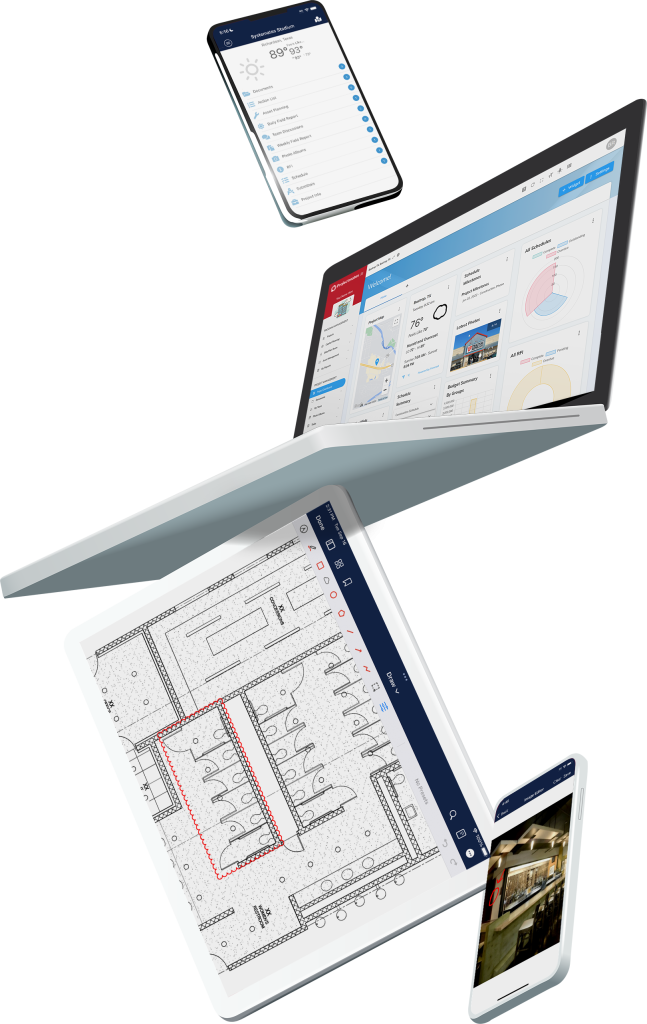
A centralized software solution for document management is crucial in the modern age. By centralizing records, tracking versions, supporting approvals, and creating stronger audit trails, software enhances overall construction workflow visibility. With digital drawing and specification management, teams can gain stronger collaboration among owners, architects, engineers, contractors, and internal staff.
Building Better Control Through Construction Documentation
Having strong document control in construction means project teams can improve control, reduce project risk, and support better decision-making across the full project lifecycle. Projectmates’ owner-focused capital program management software delivers full document management capabilities in addition to workflow, scheduling, and reporting management.
Get in touch with us today to learn more about how our solutions can help you build better projects.