Construction blueprints lay out every single detail about a project, from the structure’s footprint to the precise placement of every element. But even with so many details accounted for, there’s a lot that can go wrong during construction. Every project comes with unavoidable risks in terms of operations, scheduling, finance, compliance, and coordination that can have severe impacts on its success.
This is why owners, program managers and stakeholders need to make risk management a core element of their plans. Why is risk management important in construction? It provides them with a proactive means of identifying, assessing, and addressing issues before they have a chance to escalate into major problems. With strong risk management principles baked into the project from the beginning, teams can have better control, accountability, and decision-making throughout the entire lifecycle.
The Types of Risks Construction Teams Need to Manage
The risks construction teams face are rarely confined to one portion of the work and often have a domino effect that spreads to multiple teams, decisions, and project milestones all at once. Understanding the different categories into which these risks fall can be helpful in enabling teams to see how these risks affect each other and how they may be avoided.
The most significant risk categories for construction projects are:
- Budget Overruns: Cost overruns in construction can bring the entire project to a halt and jeopardize its chances of succeeding, let alone being completed.
- Schedule Delays: If one area of a project starts to fall behind schedule, it can have a knock-on effect that pushes all phases after it out of sync.
- Scope Changes: Changes to scope caused by unexpected additions or earlier mistakes can have a dramatic impact on every other area of the work.
- Contractor Performance: If a contractor fails to live up to promises, other areas of the job are likely to change to make up the difference.
- Documentation Gaps: Without strict adherence to document management workflows, there’s a serious risk of important details slipping through the cracks.
- Safety Concerns: Unaddressed safety and operational risks on the jobsite can lead to accidents that halt work in its tracks and open up the possibility of legal repercussions.
- Regulatory Issues: Without proper attention paid to compliance, project teams may be surprised by sanctions or fines.
How Risk Management Improves Project Outcomes
A structured approach to risk management is critical for ensuring better outcomes on construction projects. Tracking risks through a centralized platform means teams have the tools and visibility needed to make better decisions about mitigation, escalation, and resource allocation. This is especially helpful with the large number of stakeholders on capital projects, as the visibility and accountability ensure everyone knows exactly what is going on at all times.
Common Consequences of Weak Risk Management in Construction
Poor risk management often results in decisions being delayed, communication becoming fragmented, and visibility into developing issues getting clouded.
Without a structured approach to risk management, project teams often find themselves falling victim to:
- Missed Milestones: Failing to see risks before they emerge can lead to teams falling behind on the work, leading to missed milestones that compound over time.
- Disputes: When teams are tripped up by unforeseen problems, the situation can devolve into figure-pointing and arguing.
- Rework: Any mistakes made as a result of poor risk management can result in extra work to correct them.
- Compliance Failures: When compliance suffers, teams will be saddled with extra scrutiny, fines, and other sanctions that put the project in danger of missing its milestones.
- Reduced Stakeholder Confidence: Every instance of a risk that goes unnoticed erodes the confidence all parties have in each other, which can be disastrous for the overall success of the project.
Best Practices for Managing Project Risk in Construction
Fortunately, good risk management is not impossible to achieve. Project teams can prevent most issues from impacting their work by following a few relatively simple risk mitigation strategies:
- Identifying risk as early as possible across all areas of the project
- Establishing clear ownership of each aspect of the work
- Following regular review cadences to prevent oversights
- Creating documented mitigation plans to ensure rapid response to emerging risks
- Defining clear escalation paths so all parties understand the proper course of action
Why Visibility and Technology Matter for Construction Risk Management
Even though construction projects have become more complex over the years, the good news is that risk management tools have advanced to meet the challenge. Modern construction project management software platforms provide centralized tracking, workflow visibility, and timely reporting. This means it’s much easier for teams to identify patterns, monitor risk exposure, and take action sooner than with traditional methods.
Relying on outdated solutions such as spreadsheets, emails, and pen-and-paper processes are likely to result in blind spots that weaken overall project control. Technology makes it possible to gain stronger accountability, more-reliable reporting, and better risk oversight across multiple active projects.
Building Better Project Control Through Construction Risk Management
Managing risk is crucial for protecting construction budgets, schedules, compliance, and stakeholder confidence throughout the entire project lifecycle. Owners and project leaders must take a close look at their current processes, tools, and reporting to ensure they have the right level of risk visibility and reporting to be proactive.
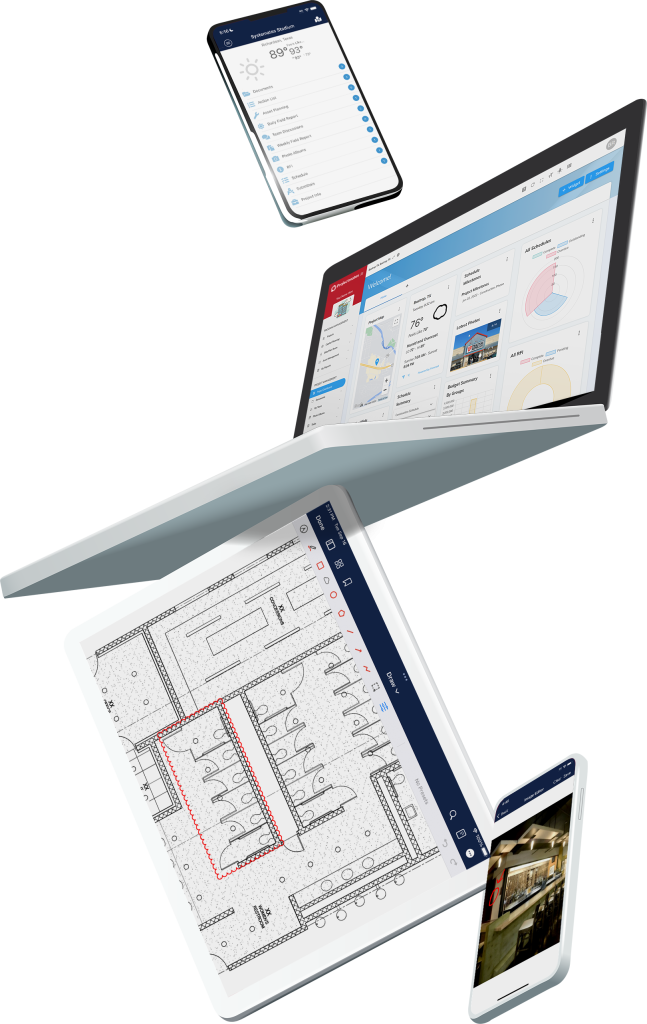
Projectmates offers owner-focused construction management software built to deliver unmatched insight and construction project controls for every aspect of the lifecycle. This capital program management platform combines workflow, reporting, cost, and document management capabilities into a single source of truth for project teams. To learn more about what our solution can do for your next project, reach out and speak with a member of our team today.