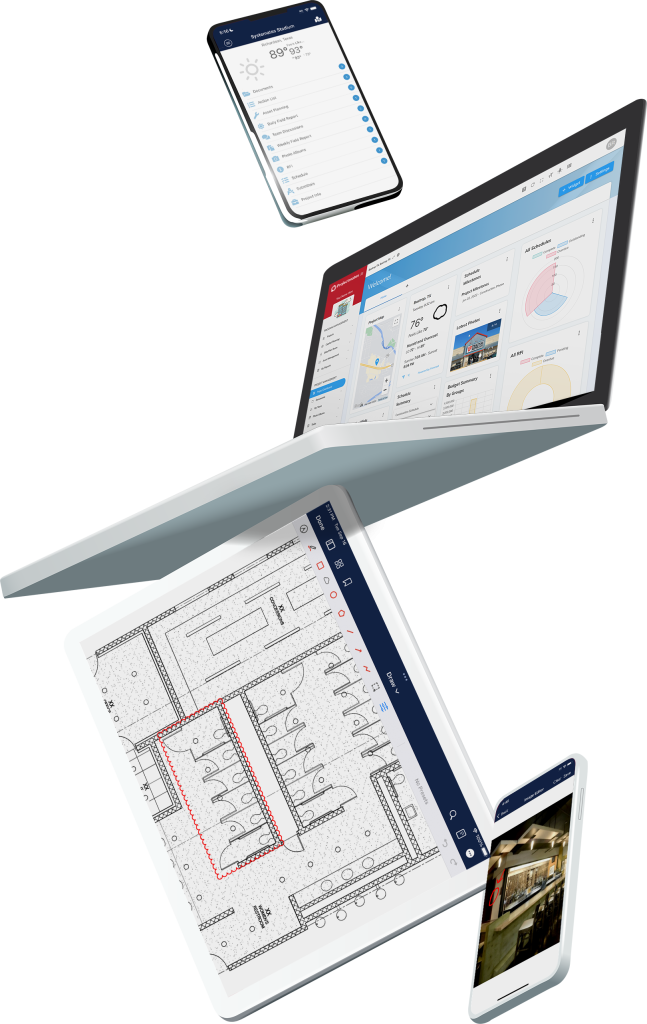
In a professional kitchen, no one just wings it. Consistency matters more than improvisation.
Working with Owners across industries, I have seen the same principle apply to construction. Recipes protect outcomes when people change, pressure rises, and timelines compress.
That is exactly what project delivery needs.
When a Construction Project Management Information System is implemented correctly, the technology itself is only part of the value. The real payoff comes from the discipline of process review, alignment, and documentation that happens during implementation. That work replaces improvisation with intent. Owners gain clarity, eliminate guesswork, and establish a repeatable model that can be applied across every project moving forward.
The Most Overlooked Benefit Of Implementation: Process Clarity
For many Owner teams, the implementation process becomes a long-overdue opportunity to step back and examine how work actually gets done.
Most teams are understandably focused on outcomes: getting projects built, closing them out, and moving on to the next one. What rarely happens is a structured review of how those projects are managed day to day, where inconsistencies creep in, or where gaps quietly introduce risk.

Without a centralized system acting as a source of truth, those inconsistencies are nearly impossible to see, let alone fix. Implementation discussions surface these realities quickly, often for the first time. While that can be uncomfortable, it is also extremely valuable.
Why Implementation Approach Matters More Than Price
Not all implementations are created equal.
There is a meaningful difference between rolling out a comprehensive, interconnected platform and turning on a tool with a narrow scope. That is why Owners should be cautious of solutions that push self-service implementation as the primary approach.
While self-service may appear less expensive upfront, it often trades away the most valuable part of the process: the consultative review of workflows, roles, and responsibilities. Without that structure, organizations face two common risks. The first is low user adoption driven by confusion or misalignment. The second is shelfware, where yet another system is purchased but never fully used.
Neither delivers return on investment, regardless of price.
Most teams are understandably focused on outcomes: getting projects built, closing them out, and moving on to the next one. What rarely happens is a structured review of how those projects are managed day to day, where inconsistencies creep in, or where gaps quietly introduce risk.
Without a centralized system acting as a source of truth, those inconsistencies are nearly impossible to see, let alone fix. Implementation discussions surface these realities quickly, often for the first time. While that can be uncomfortable, it is also extremely valuable.
A Word of Caution on Overly Rigid Workflows

Flexibility matters.
Some systems introduce workflows that are so rigid or require so many inputs that teams struggle just to get started. When a process demands excessive effort before real work can begin, adoption drops quickly. Even the best software will fail if it becomes a bottleneck.
The goal is balance. Workflows should be structured enough to enforce consistency and compliance, yet flexible enough to support real-world project delivery.
Implementation Does Not Have to Be Intimidating
Implementation often sounds more daunting than it actually is.
A strong implementation is collaborative, efficient, and focused. It is built around a series of productive conversations followed by validation of how the system is configured. The time commitment is often far less than teams expect, especially when the outcome is a foundation that supports every future project.
What a Strong Implementation Process Looks Like
A successful implementation typically includes working sessions with the Owner’s core project team. Existing templates, budgets, schedules, forms, and key tracking attributes, and a detailed review of current processes across the project lifecycle are all collected. During these sessions, workflows within the system are demonstrated and then configured based on real-world needs rather than theoretical ones.
Throughout this process, best practices are introduced based on what has worked for other successful Owners, factoring in industry, organizational size, and technical maturity.
Systems that lean on configuration and proven best practices significantly accelerate time to value. In contrast, platforms that rely heavily on customization require more effort, extend timelines, and often reduce adoption.
As Owners move from managing individual projects to overseeing full capital programs, the distinction becomes clear. The difference comes down to one thing: a repeatable system built the right way from day one.
Turning Templates Into a Repeatable Model
This is where the recipe comes together.
Implementation establishes project structures, role-based access permissions, and workflow templates aligned to how work actually happens. Depending on the organization, templates may be created for new builds, major renovations, or different project types such as roads, wastewater, or parks.
These templates become the organization’s repeatable model.
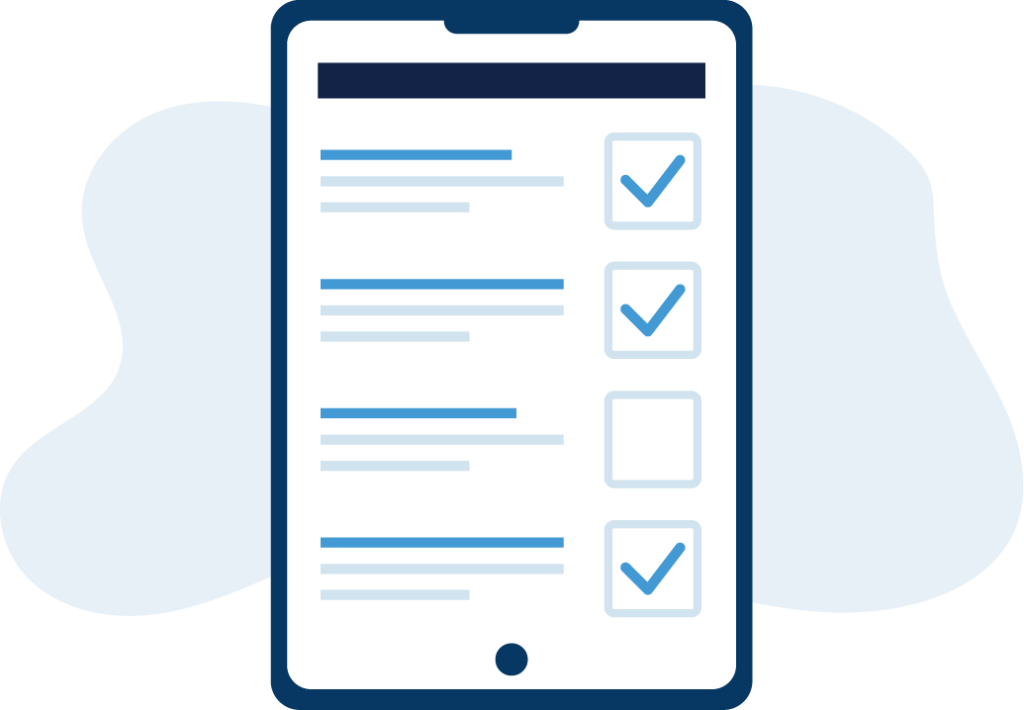
Predefined schedules with dependencies help projects get started quickly. Standardized checklists outline critical steps. Automated workflows assign responsibility, enforce accountability, and support compliance. Reporting rolls up automatically, allowing teams to identify risks and deviations while there is still time and budget to address them.
Because everything lives in one system, there is no ambiguity about where information resides or which version is correct. When done correctly, the benefits of this approach are often realized almost immediately. In practice, this is what separates technology spend from strategic investment. Owners who invest in implementation are not buying software, they are buying predictability.
The Hidden Deliverable: A Living Playbook
One of the most important byproducts of a strong implementation is a documented standard operating procedure, often referred to as a playbook.
This playbook serves several key purposes. It provides a practical guide for using configured workflows, clearly defines roles and responsibilities for internal and external stakeholders, documents the agreed upon method for managing each phase of a project, and outlines where project information can be found.
Over time, this playbook becomes a living document. As teams mature in their use of the system and expand into additional workflows, the playbook evolves with them. It supports onboarding, reinforces consistency, and captures institutional knowledge that might otherwise live only in people’s heads.
Questions Every Owner Should Ask

When selecting construction management software, Owners should consider a few critical questions. Who is the platform truly built for? Does it serve Owners directly, or is it primarily contractor-focused with Owners as a secondary audience? Are the workflows intuitive and efficient, or do they require significant effort just to get started? Does the provider offer a collaborative, well-defined implementation process that delivers a documented playbook, or does it rely largely on self-service?
A successful implementation is not just about deploying software. It’s about creating a repeatable recipe that delivers consistent outcomes, project after project. That distinction matters more as construction programs grow and complexity increases.
At scale, success is no longer about individual projects. It is about whether the system behind them is repeatable.
Frequently Asked Questions (FAQ)
Software alone does not create consistency or reduce risk. A strong implementation aligns workflows, roles, and processes to how projects are actually delivered. This alignment is what enables repeatability, adoption, and long-term return on investment across an Owner’s capital program.
Implementation forces organizations to document processes, identify gaps, and eliminate inconsistencies. This clarity reduces guesswork, improves accountability, and allows teams to identify risks earlier—leading to better schedule, cost, and compliance outcomes.
Self-service implementation may work for simple tools, but it often limits the most valuable part of implementation: structured process review and alignment. Without guided discussions and validation, Owners risk low adoption, misconfigured workflows, and software that is never fully utilized.
Common risks include low user adoption, inconsistent project data, manual workarounds, and shelfware. These issues prevent organizations from realizing ROI and can actually introduce more risk than managing projects without a centralized system.
A playbook is a documented guide created during implementation that defines how the system is used, who is responsible for each task, and where information lives. It becomes a living document that supports onboarding, governance, and continuous improvement.
As Owners move from managing individual projects to overseeing portfolios or programs, repeatability becomes essential. A strong implementation provides the foundation needed to manage complexity, maintain visibility, and deliver consistent outcomes at scale.