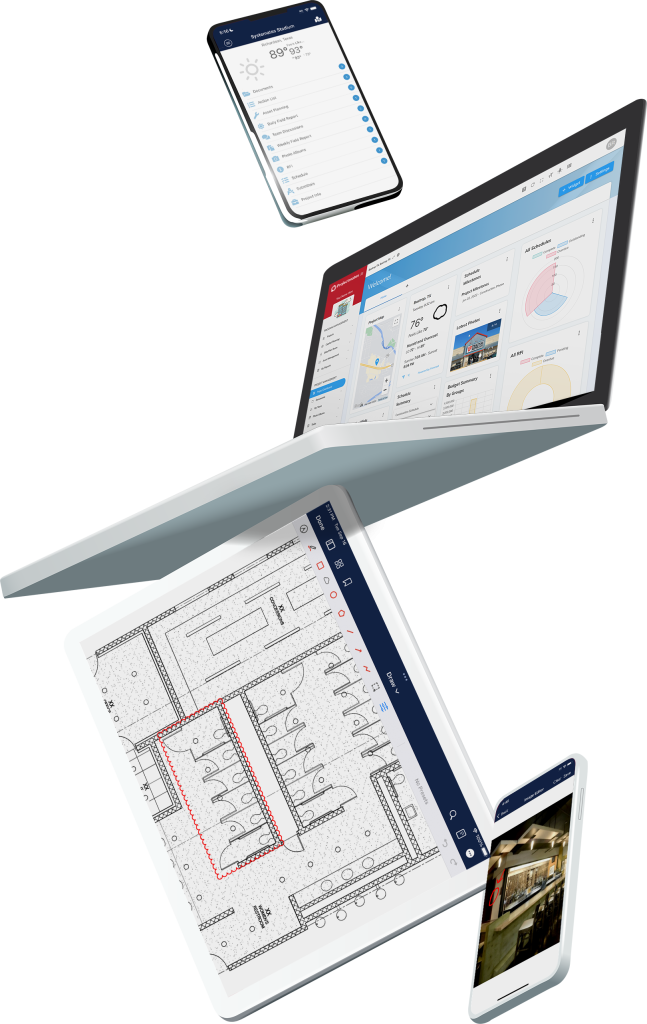
Most software demos are a highlight reel. No missed deadlines. No confusion. No one asking where the latest file went.
You won’t get much real value unless you press past the perfect version and ask about the messy one.
These five topics will help you do exactly that.
What Questions Help You Get Past the Marketing in a Software Demo?
Clean data. Perfect workflows. No friction. That is useful to a point, but it is rarely where projects live for long.
It helps to ask questions that pull the demo closer to how work actually unfolds.
For example:
- Can you show this process using a real project example, not a sample one?
- What does this look like after several months of changes and revisions?
- Where do teams usually feel friction once they are past the first few projects?
Problems emerge over time, as the system slowly stops matching how people actually work. A good demo does not avoid those edges. It acknowledges them and shows you how the tool holds up when things get messy. If the software still makes sense in that context, you are learning something meaningful. If it does not, you’ve saved yourself a much more expensive lesson later.
Who Actually Uses the Software Day to Day?
Most construction software looks great when everyone participates fully. That is also where reality tends to diverge.
In the real world, some people live in the system. Others log in occasionally. A few never quite get there at all. That mix is normal, but it has a huge impact on whether a tool actually delivers value.
It helps to ask questions that surface how the software handles that uneven reality.
For example:
- Who is expected to use this daily versus weekly or monthly?
- What happens if certain stakeholders never fully adopt it?
- How do teams handle work when not everyone follows the same process?
How these questions are answered often determines whether the system gets used or worked around. A good demo will not pretend that everyone becomes a power user overnight. It will show how the system accommodates different roles, comfort levels, and attention spans without turning into a bottleneck.
When you understand who the software truly serves well and where it depends on ideal behavior, you can make a clearer call on whether it fits your organization, not just your wish list.
What Should I Ask About Setup and Implementation Before “Go Live”?
As I mentioned earlier, many demos show a system that is already dialed in. Workflows are configured. Templates are clean. Dashboards look thoughtful and intentional. What is usually less visible is the work required to get there.
That gap matters more than most buyers expect.
It helps to ask questions that clarify what happens before the software starts earning its keep.
For example:
- What work has to happen before this looks like what you are showing?
- Who is responsible for setup, templates, and ongoing changes?
- How much internal time does this typically require in the first few months?
When these questions go unanswered, teams tend to make assumptions that are hard to unwind later. When setup and maintenance live entirely on the buyer’s side, adoption often slows before value ever shows up.
A useful demo makes this effort visible. It explains what is required, who owns it, and how teams are supported as things evolve. When that work feels reasonable and well-supported, the system has a much better chance of sticking.
If it feels vague or brushed aside, that is also useful information.
What Should A Software Demo Show About Reporting and Data Trust?
Demos love to show dashboards. Colorful charts. Confident numbers. Everything neatly summarized. What matters more is whether those views actually answer the questions people ask when decisions are on the line.
It helps to shift the conversation away from what looks impressive and toward what feels useful.
For example:
- What questions do Owners and leadership teams use this to answer regularly?
- Where do teams still rely on exports, spreadsheets, or manual follow-up?
- How confident are teams in this data six months into real projects?
Visibility is not about seeing more information. It is about trusting what you see. If teams constantly double-check reports or rebuild them outside the system, the software becomes a reference point instead of a source of truth.
A strong demo does not just show reports. It explains how data gets there and how hard it is to keep it trustworthy. When reporting reduces friction instead of adding it, adoption tends to follow naturally.
What Questions Should I Ask About Long-Term Fit?
During most demos, the focus on the near term. The first project. The initial rollout. The early wins. That makes sense, but most software decisions are judged years later, not weeks later.
It helps to ask questions that look beyond the honeymoon phase.
For example:
- How does this scale as we add more projects, complexity, or stakeholders?
- What typically becomes harder as organizations grow on the platform?
- Why do customers eventually decide to replace this software?
Long-term friction rarely shows up in a demo on its own. It emerges as teams mature, processes evolve, and expectations increase. Software that works well early but struggles to adapt often gets worked around instead of relied on.
A useful demo does not promise that nothing ever breaks. It explains where strain tends to appear and how teams address it. When a vendor can speak clearly about growth, limits, and change, it signals that the software was designed with real-world longevity in mind.
That clarity makes it easier to decide whether the system fits not just where you are today, but the kind of organization you are trying to build.
A software demo is not a performance. It is a working session.
The goal is not to be impressed. It is to understand what life looks like after the excitement fades and the projects keep moving.
The right questions do not make a demo uncomfortable. They make it honest. And honesty is what leads to better decisions, fewer surprises, and software that actually earns its place over time.
Frequently Asked Questions
Long enough to answer real operational questions. Short enough to avoid theater.
Most initial demos run 45 to 60 minutes, but time is not the issue. Depth is. If the conversation never leaves ideal scenarios, the length does not matter. A useful demo should leave time for live questions, real-world scenarios, and examples pulled from actual projects, not just curated environments.
If everything feels scripted, you probably did not see enough.
Any decision maker who will feel the friction later.
That usually means project managers, finance, leadership, and at least one person who will live in the system daily. Executives often focus on reporting. PMs focus on workflow. Finance focuses on data integrity. If only one perspective is represented, you will miss blind spots.
Software rarely fails because it looked bad in a demo. It fails because key stakeholders were not in the room when decisions were made.
Watch for vagueness around implementation, evasive answers about adoption challenges, and an overemphasis on features without context.
If questions about setup effort, internal workload, or long-term friction get redirected back to surface-level benefits, that is not a great sign. Strong vendors can explain where their system works well and where it requires discipline. Weak ones keep things abstract.
Clarity beats perfection.
Yes, but do not rely on memory alone.
Create a consistent set of questions and ask each vendor the same ones. Focus less on who impressed you and more on who addressed real-world complexity clearly. Immediate polish can fade. Operational fit does not.
Ask what work happens before go live and who owns it.
You want to understand configuration, template setup, integrations, training, and internal time commitment. Many systems look excellent once fully configured. The real question is how much effort it takes to reach that point and whether that effort is supported or pushed entirely onto your team.