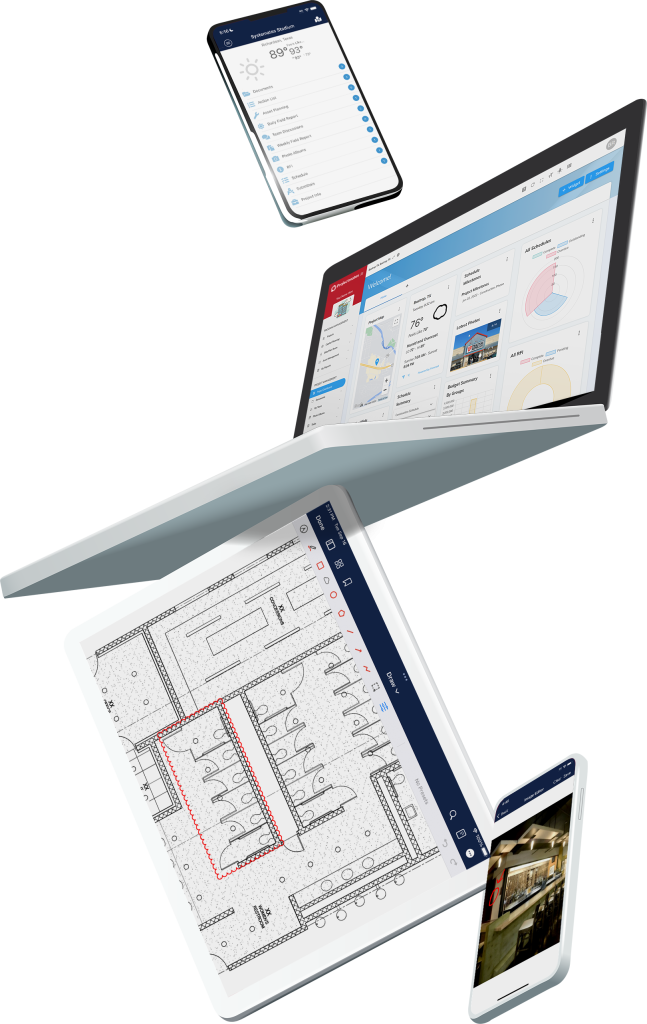
Construction projects break down when teams work in isolation.
A contractor uses the wrong file version. An architect misses a change. A vendor asks for a report, but the data sits buried in someone’s inbox. Every small disconnect chips away at momentum and adds risk.
When your external partners are fully integrated into your construction management software, those gaps disappear. Everyone works from the same source of truth. Files stay current. Processes run clearly. Nothing gets lost in translation.
Bringing external users into the system doesn’t just smooth things over. It changes the entire pace and quality of your project.
Access Transforms Outcomes
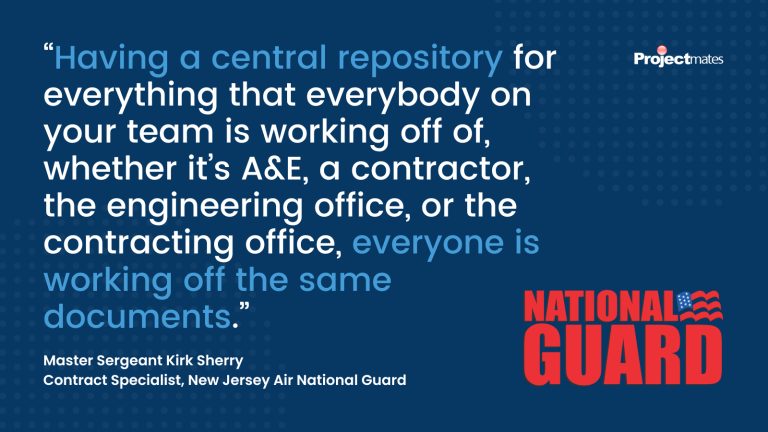
This point has to be hammered home:
When external partners work in siloed systems, construction projects suffer.
Updates lag. Documents fall out of sync. Manual data entry leads to errors, and fragmented communication makes it harder to get a clear picture of project health.
A modern project management information system (PMIS) keeps that from happening. With permission-based access, your external collaborators, contractors, architects, engineers, and vendors can work within the same centralized platform as your core internal teams. That means no more reconciling conflicting files. No more waiting for email updates. Just one shared source of truth.
The benefits stack up quickly: tighter integration, faster turnaround times, fewer compatibility headaches, and better reporting across the entire program. And when your system handles routine tasks like pay app submissions and invoice logging, your team reclaims hours that used to be lost to low-value busywork.
Self-Service Reduces Interruptions
Speaking of wasted time, too much time is lost answering questions that shouldn’t have to be asked in the first place. When’s my payment coming? What’s the status of our submittal? Has the schedule changed?
These aren’t bad questions; they’re just symptoms of broken processes.
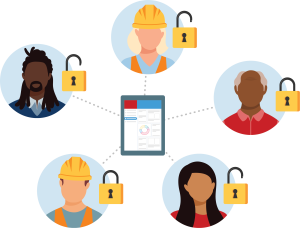
A well-structured PMIS gives external partners the visibility they need to stay informed on their own. With tailored permissions, they can check payment timelines, track RFIs, view assigned tasks, and stay in sync with schedule changes without pinging your team for updates.
This kind of access doesn’t just lighten your team’s workload; it elevates the relationship. When everyone sees the same information, trust goes up, and finger-pointing goes down.
Accountability Without Micromanagement
Accountability shouldn’t rely on memory, email threads, or hoping an external partner is using the right file.
A purpose-built PMIS inserts accountability into the process itself, without slowing anyone down.
Here’s how it works:
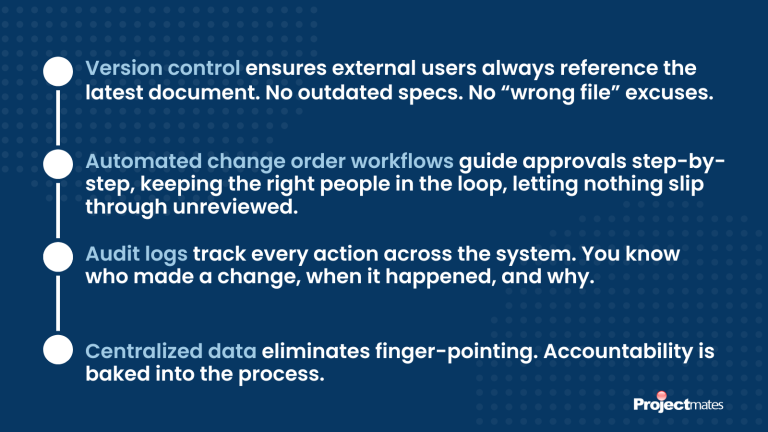
When the system handles the tracking, external partners don’t need micromanaging, and your team can stay focused on the work, not chasing updates or cleaning up confusion.
Real-Time Visibility Means Faster Action
When your external partners aren’t tied into your system, updates arrive late, if at all. A document gets revised but isn’t shared. An RFI sits in limbo. A task goes unacknowledged. Meanwhile, the project timeline inches closer to risk issues without anyone noticing.
Real-time visibility changes that dynamic. With a centralized PMIS, the moment an external partner uploads a file, submits an RFI, or updates a task, the system reflects it. You don’t have to wait for a weekly check-in to find out what’s happening. You already know.
It’s not just about knowing what they’re doing; it’s about seeing the impact in context. You can track how long items are taking, adjust schedules accordingly, and quickly spot where things are drifting off course. And because those updates feed directly into your workflows, you don’t have to play middleman just to keep your own schedule current.
This isn’t oversight. It’s responsiveness. It’s about giving your team the power to act, not react, and keeping external collaboration aligned with the pace your projects demand.
Field Access Keeps Projects Moving
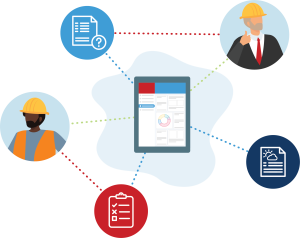
Out in the field, delays don’t wait for someone to get back to their desk. Questions come up. Changes happen. And if your external partners can’t act on them in real time, progress stalls.
With mobile access to your PMIS, that bottleneck disappears. Contractors, vendors, and consultants can view drawings, submit RFIs, and initiate change orders right from the jobsite using their phone or tablet.
Even better, this field activity feeds directly into your workflows. An RFI started on-site is automatically routed through the right approval chain. A marked-up drawing update becomes immediately available to all stakeholders with access. Field reports submitted by external users are locked into the system as the official record, not something that can be revised later.
Mobile access isn’t a convenience.
It’s how you keep work moving forward.
Fewer gaps, fewer surprises, and a lot less chasing down loose ends.
The Case for Bringing External Partners Inside Owner Software
Too often, construction software is built for specific team use only, leaving external collaborators mailing spreadsheets and scrambling to stay current. That separation creates blind spots and builds barriers for success.
But it doesn’t have to work that way.
A well-implemented PMIS isn’t just a tool for tracking progress. It’s a shared environment where all contributors, internal and external, can work together with clarity, accountability, and speed.
When everyone works from the same system, decisions move faster, mistakes are caught earlier, and projects run smoother.
Frequently Asked Questions About External Collaboration in Construction
Because fragmented communication leads to fragmented projects. When everyone works in their own silos—email chains, text messages, shared drives—it’s a recipe for missed deadlines, duplicated work, and confusion over which file is the “real” one. By pulling them into your PMIS, you control the narrative, the timeline, and the version history.
Sometimes. But resistance usually comes from clunky systems or poor onboarding—not from the concept itself. If the platform is easy to use and doesn’t require a PhD to submit an RFI, most partners are happy to fall in line.
Short answer: accountability, visibility, and fewer 11th-hour surprises. When external users submit documents, respond to RFIs, or mark milestones inside your system, you get a clear audit trail. No more wondering “Did they send that?” or “Where’s the attachment?”
Simple: use workflows, task assignments, and dashboard reports. A good PMIS makes it easy to assign tasks to internal and external users, monitor progress in real time, and get alerts when things fall behind. Projectmates even lets you set automated reminders so you’re not chasing people down manually.
Yes—and your inbox will thank you. When RFIs, submittals, drawings, and comments are all flowing through one central hub, you eliminate back-and-forth email chains and endless follow-ups. That’s more time for strategic work—and less time babysitting documents.