Safety and environmental compliance get treated like paperwork until they blow up a project. Contractors might manage the day-to-day, but when something goes sideways, the Owner is the one who pays for the lost time, the legal exposure, and the hit to public trust. For Owners, compliance is not clerical. It is one of the strongest levers you have to prevent disruption and protect outcomes.
Owners who treat safety and environmental planning as strategic functions reduce uncertainty, avoid disruption, and strengthen the performance of their entire project ecosystem.
This article is the 4th part of our Proactive Risk Management for Construction Owners series. (Read Part 3 Here.) This blog builds on that foundation by focusing on safety and environmental compliance as another major driver of project stability.
Minimum Compliance as a Hidden Risk
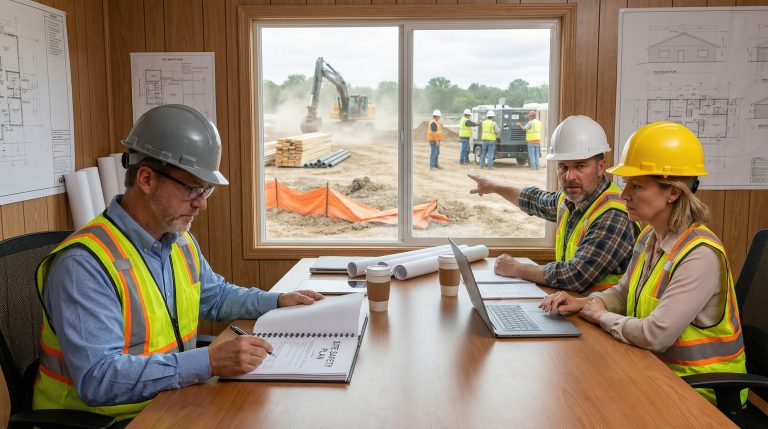
Many Owners assume they are protected as long as the contractor is meeting OSHA requirements or basic environmental permitting rules. In reality, minimum compliance hides deeper vulnerabilities. A safety plan might look polished on paper but collapse the moment site conditions shift. Environmental risks often surface only after construction is underway, triggering redesigns or shutdowns. And as markets evolve, ESG expectations from lenders and the public keep raising the bar in ways minimum code does not anticipate.
Static plans on dynamic sites create blind spots, and those blind spots are exactly where Owners end up absorbing avoidable disruption. Minimum compliance captures what is already known. It does nothing to protect you from the risks that emerge as the project changes.
The Cost of Safety and Environmental Failures
Safety and environmental failures rank among the most expensive unplanned events on any project. A single stop work order can erase weeks of schedule and force teams into reactive mode. Remediation for spills or stormwater violations carries both financial and reputational consequences, and insurance premiums tend to rise quickly after clusters of incidents. Even issues that look small in the moment can drag down morale and productivity if crews start seeing the site as unpredictable or unsafe.
Claims follow. Schedules slip. And what began as a minor oversight turns into a full chain reaction that the Owner is left to untangle.
Example: Hinkley Point C, UK
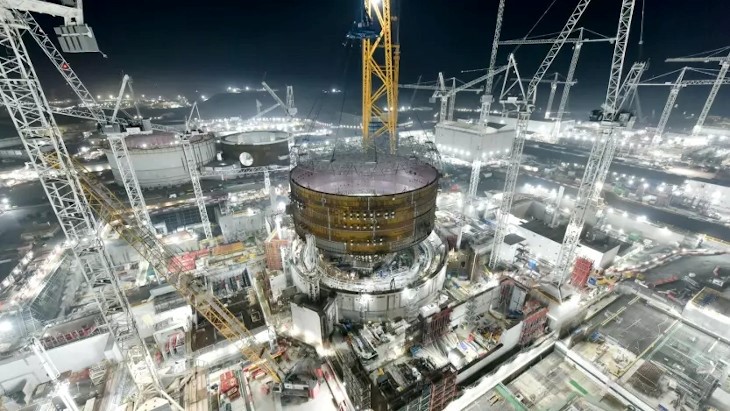
The Hinkley Point C nuclear plant demonstrated the upside of proactive planning. By embedding ecological protections, water recycling systems, and low carbon materials early in design and execution, the team avoided late permitting complications and significantly reduced long term risk.
Rapidly Evolving Environmental Regulations
Environmental regulations no longer sit still across the lifecycle of a project. Requirements for embodied carbon, stormwater management, air quality, waste diversion, habitat protection, and climate resilience continue to tighten. Cities and states are adding new layers of compliance that affect both material selection and field operations.
The risk for Owners is straightforward. If you are not tracking these shifts early, they surface late as redesigns, new permit conditions, or rework that nobody budgeted for. The earlier you understand the regulatory horizon, the fewer surprises you will encounter when construction is in full swing.

Example: LEED and carbon neutral standards
Emerging sustainability frameworks like LEED, BREEAM, and carbon neutral benchmarks now shape procurement and execution across much of the US and Europe. When Owners engage these expectations early, they avoid the last minute pivots that create delays or expose projects to unnecessary risk.
Safety as a Source of Predictability and Reputation
Safety is often treated as a box to check, but for Owners it is a direct driver of project performance. High performing safety cultures tend to run more organized operations, which translates into higher productivity and fewer mistakes. When sequencing and access are planned with safety in mind, rework goes down and field teams operate with more confidence. Workers stay longer on sites that feel well managed, and stakeholders trust projects that demonstrate discipline in the field.
When an Owner signals that planning, not last minute heroics, sets the tone for the job, it changes how the entire project team behaves.
Example: Large infrastructure programs
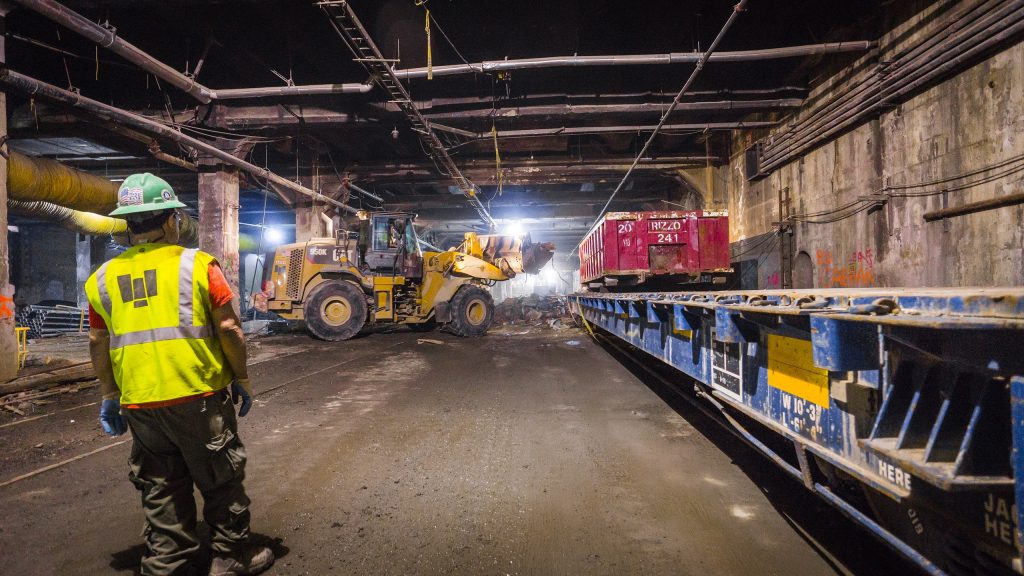
Programs like New York’s East Side Access show how structured safety planning and disciplined field management contribute to far more predictable outcomes in complex environments.
Best Practices for Owners: Embedding Proactive Compliance
Owners do not need to become safety or environmental specialists. What they need is a structure that prevents surprises before they become schedule risks. Start by making risk discussions part of design and preconstruction, so the team can identify issues when solutions are still cheap. Fold compliance updates directly into schedule reporting rather than treating them as separate, siloed items. Set clear sustainability and ESG expectations in your RFPs and contracts so teams understand the standard from day one.
Early environmental assessments reduce unknowns, and periodic third party reviews confirm whether field execution aligns with the plan. When change management includes both safety and environmental impact review, decisions stay rooted in proactive planning rather than reactive firefighting.
Proactive compliance is not more work. It is structured work, and it consistently pays off by reducing the surprises that derail schedules and drain contingency funds.
Compliance as a Strategic Shield
Safety and environmental compliance protect more than regulatory standing. They safeguard cost, schedule, reputation, and long term asset value. Owners who elevate this work early and consistently give themselves an advantage: fewer surprises and more predictable delivery.
Compliance is not overhead. It is one of the smartest investments an Owner can make in stable, resilient project outcomes.
Frequently Asked Questions (FAQ)
Because the fallout always rolls uphill. When incidents occur, it is the Owner who absorbs the schedule delays, cost impacts, regulatory exposure, and reputational damage. Contractors manage the work, but Owners carry the long-term consequences.
Minimum compliance captures what is already known. It does not account for shifting site conditions, evolving regulations, or the operational realities that emerge once construction begins. Relying only on the baseline requirements leaves Owners exposed to blind spots that can quickly escalate into costly disruptions.
Start with early risk workshops in design and preconstruction, integrate compliance updates into the schedule, define sustainability expectations in your RFPs, conduct early environmental assessments, and ensure field practices are periodically verified. These steps build structure, not burden, and help intercept issues long before they become disruptions.
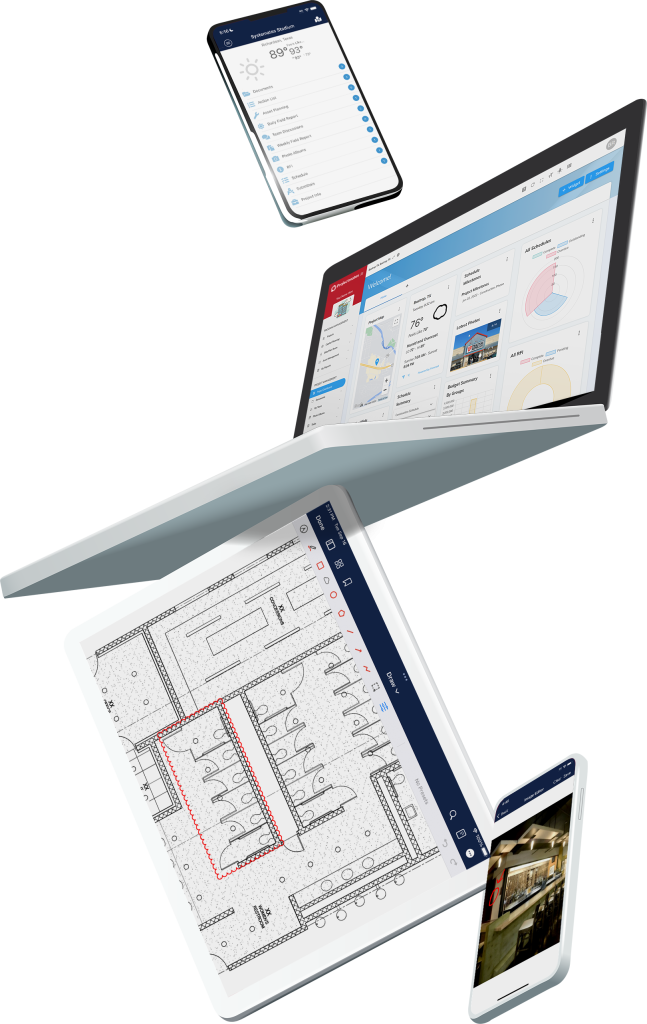
A good PMIS gives Owners what spreadsheets and email chains cannot: structure. When schedules, inspections, permits, environmental assessments, submittals, and field reports live in one place, it becomes much easier to spot gaps before they become risks. Instead of chasing updates, Owners get real visibility into evolving site conditions and compliance obligations.
Projectmates centralizes field documentation, scheduled inspections, environmental reviews, and change-related impacts so Owners can track compliance as the project evolves. It brings together the workflows that influence safety and environmental outcomes, making it easier to verify what is happening on site, respond to issues faster, and keep the project aligned with regulatory and ESG expectations. The goal is simple: fewer surprises, cleaner handoffs, and more predictable delivery.