It’s been said that no battle plan survives first contact with the enemy. That is to say, a plan might be sound on paper but can fall apart as soon as reality has its way with it. Construction project Owners know this all too well, as their meticulously crafted budgets can fall out of line with the reality on the jobsite in a matter of days. Whether due to scope changes, insufficient cost tracking, delayed approvals, or other issues, cost overruns have a way of building up gradually until they overwhelm a project. This is what makes budget control a critical element of any capital project’s success.
Budget control is more than ensuring all the numbers add up properly on the bottom line. It’s an ongoing management discipline that should be top of mind for owners at every stage of the project. Knowing how to manage construction budget overruns before they drag a capital project down is essential for Owners and requires some forethought as well as the proper tools and strategies.
The Core Elements of Construction Budget Control
In essence, a construction budget’s lifecycle can be broken down into five key elements:
- Baseline Budget
- Commitments
- Actuals
- Forecast
- Contingency
Baseline budget is the starting point. It is an initial plan used as the framework for determining whether the work remains on budget or is starting to slip outside of its original parameters. It includes expected costs for the labor, materials, equipment, and any contingency funds deemed necessary to cover anticipated risks. These elements are mapped to a projected schedule to show a rough estimate of how the costs will be expected to grow over time.
Commitments are the costs that have already been contracted to be paid to contractors or vendors. Examples include purchase orders that have been approved, subcontract awards, and material costs. These have been pledged but not yet paid.
Actuals reflect the actual costs that have been paid for any work, labor, or materials that already have been delivered to the project.
Forecast is the term used to describe the expected total cost of the project upon completion. This is based on the actuals and commitments as well as some room for adjustment based on anticipated trends in the near future. Unlike the baseline budget, forecasting is focused on the bottom line, rather than showing how the costs are expected to accrue according to a schedule.
Contingency is the aspect of construction budgeting dedicated to what-ifs. Teams typically reserve a small portion of the budget specifically to cover any unexpected issues that may arise. Contingency planning provides a certain amount of protection from overruns, but more often than not it is no substitute for proper cost control.
How to Spot Budget Risk Before It Turns into an Overrun
Almost every construction project undergoes some small alterations in the original plans as they progress. This is inevitable and doesn’t always lead to budgetary concerns. However, there are certain types of changes or unexpected obstacles that can result in costs spiraling out of control unless they are caught early enough. Knowing the warning signs these represent gives Owners more control over the situation and allow them to plan ahead to prevent these from becoming major cost overruns.
- Delayed reconciliations: If reconciliations stretch on for longer than they should, it can have a cascading effect that puts other aspects of the work in danger of falling behind schedule and driving up costs.
- Rising commitments: Owners should beware of commitments that seem to be growing larger than anticipated, as these could be an indicator that the scope of the project is expanding beyond what was originally intended.
- Incomplete change data: When change orders are not properly filled out with all the relevant information the project team needs, that can mean certain things may slip unnoticed until they result in rework that impacts the budget.
- Schedule shifts: Time is money, and any alteration in the project’s schedule can result in excessive costs as teams scramble to get back on track.
- Inconsistent reporting: It can be nearly impossible to bring construction costs under control without accurate and thorough reporting that keeps all parties appraised of what’s happening.
Practical Steps to Improve Construction Budget Control
With the understanding of how construction costs can jump off the rails quickly and how difficult they can be to overcome, here are some steps Owners can take to prevent budgets from ballooning and putting their projects in jeopardy:
- Review the budget often: Checking the budget against commitments, actuals, and forecasts at regular intervals is critical for making sure everything remains on the right track.
- Strengthen change order review and approval workflows: Workflows for approvals and change orders can have a tremendous impact on construction costs, especially if sloppy procedures lead to discrepancies and delays.
- Standardize reporting across projects: Without consistent reporting tools and processes in place throughout capital project portfolios, confusion can take over projects and lead to a buildup of excessive spending.
- Track expenses in real time: Losing visibility into what teams are spending is one of the fastest ways for Owners to let cost control slip through their fingers, which is what makes real-time construction cost tracking so valuable.
- Keep communication open: Perhaps the most important aspect of construction cost control is ensuring the lines of communication remain open between all stakeholders, as this ensures updates and changes to the plans are shared by everyone and all parties have the opportunity to adjust.
Better Systems Support Owner Cost Control Across Capital Projects
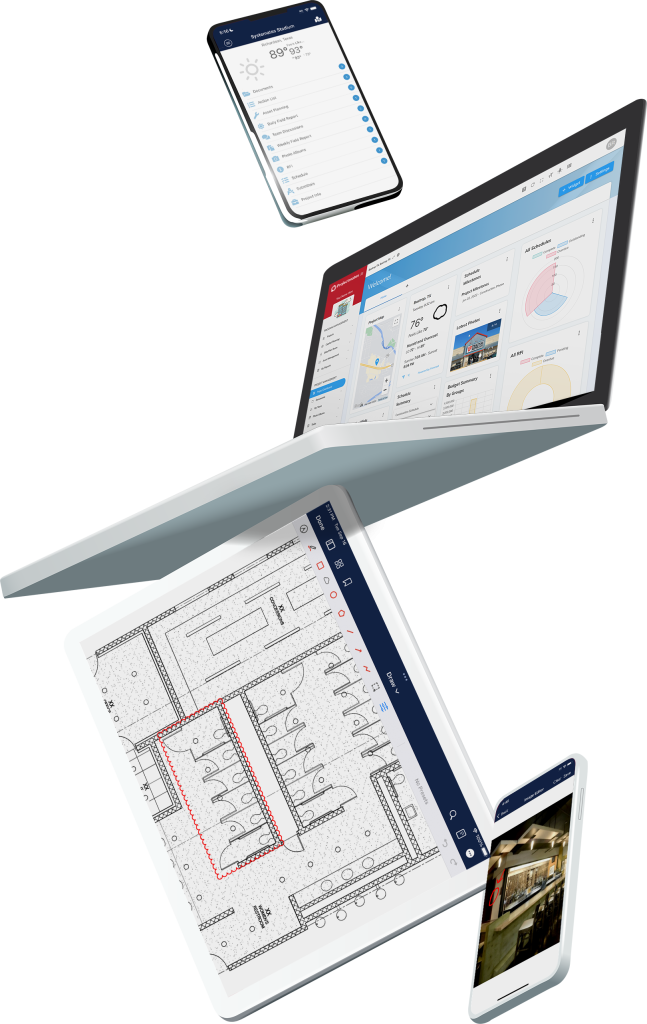
There may be no tool that’s more effective at keeping construction costs in check than the right project budget management software platform. These give Owners centralized control over multiple aspects of the work, providing exceptional visibility and communication capabilities when they need them most. These systems combine cost tracking with workflows and reporting and analytics to enable faster decisioning and prevent surprises from disrupting the project. They also provide configurable workflows to improve consistency and enhance accountability for all stakeholders.
Building a Stronger Budget Control Process Going Forward
Controlling a capital project budget doesn’t just happen on a spreadsheet. It takes a combination of strong processes, full visibility, and rigid discipline at every level of the project team to maintain the proper level of control. With more control over costs, project Owners can achieve stronger overall capital program performance. Projectmates offers Owner-focused capital program management software that delivers all the cost tracking functions Owners need, combined with reporting, analytics, document management, bid management, and more.
Get in touch with us today to learn more about how Projectmates can be the solution you’ve been looking for and schedule your demo today.