What A Project Closeout Is and Why It Matters
A successful construction project is not truly complete when the last piece of work is installed. The final phase, known as construction project closeout, plays a critical role in ensuring the project is ready for occupancy, operations, maintenance, and long-term asset management. For Owners, program managers, contractors, and stakeholders, project closeout serves as the bridge between construction execution and operational readiness.
Understanding what is a project closeout and how to manage the closeout process effectively can reduce delays, improve accountability, accelerate final payments, and create a smoother project handover. It also ensures that essential records such as as-built drawings, warranty documentation, training materials, and other closeout documentation are complete and accessible long after construction ends. In today’s increasingly complex capital projects, the closeout process should be viewed as a strategic control point rather than a simple administrative task.
What Is a Project Closeout in Construction?
A project closeout is the structured process of completing all remaining project obligations, resolving outstanding issues, assembling required documentation, obtaining approvals, and formally transferring the completed facility to the owner. The construction project closeout phase includes both physical completion and administrative completion. While physical completion focuses on finishing remaining work and correcting deficiencies, administrative completion ensures all contractual, regulatory, financial, and documentation requirements have been satisfied.
A typical closeout process includes completing punch list items, conducting final inspections, gathering closeout documentation, delivering warranties and manuals, providing as-built drawings, completing financial reconciliation, securing approvals and signoffs, and executing formal project handover. Closeout affects far more than project completion dates. It directly influences operational readiness, occupancy and facility use, regulatory compliance, final payment release, stakeholder satisfaction, warranty management, and long-term asset performance.
A well-executed closeout process provides confidence that all systems function as intended and that facilities teams have the information they need to manage the asset effectively. It also establishes a reliable record of what was constructed, which becomes invaluable for future maintenance, renovations, audits, and capital planning.
What Can Go Wrong When Closeout Is Treated as an Afterthought?
When closeout is treated as an afterthought, Owners risk payment delays, contract disputes, rejected turnovers, and loss of client trust. Rushing the finish line, when everyone has mentally moved on, leads to incomplete documentation, unresolved issues, and administrative bottlenecks that drain your profit margins.
Many project teams focus heavily on design and construction, while postponing closeout planning until the end. This approach often creates significant challenges.
Common Consequences
- Missing documentation.
- Delayed final inspections.
- Unresolved punch list items.
- Incomplete warranty documentation.
- Extended payment disputes.
- Occupancy delays.
- Poor owner experience.
When closeout becomes a last-minute scramble, teams spend valuable time searching for records, coordinating approvals, and correcting issues that could have been addressed earlier in the project lifecycle.
Ultimately, closeout serves as the control point connecting project delivery to long-term facility operations. When managed properly, it helps ensure a smooth transition from construction to ownership.
What Is Included in a Construction Project Closeout
A comprehensive construction project closeout involves numerous tasks, approvals, and deliverables that collectively demonstrate project completion. The exact requirements vary by project type, contract structure, regulatory environment, and owner expectations, but several components appear on nearly every project.
Common Construction Project Closeout Components
|
Closeout Component |
Purpose |
|
Punch List Completion |
Resolve remaining deficiencies and unfinished work |
|
Final Inspections |
Verify compliance and readiness for occupancy |
|
Testing and Commissioning Records |
Confirm system performance |
|
As-Built Drawings |
Document actual installed conditions |
|
Warranty Documentation |
Provide warranty coverage details |
|
Operations and Maintenance Manuals |
Support ongoing maintenance |
|
Training Records |
Prepare facilities staff |
|
Permits and Certificates |
Demonstrate regulatory compliance |
|
Lien Releases |
Verify financial obligations are settled |
|
Final Financial Reconciliation |
Close contracts and payments |
Physical Completion Requirements
Physical completion focuses on construction work itself. This typically includes finishing remaining work,
correcting deficiencies, completing punch list management, testing building systems, conducting final inspections, and achieving occupancy approvals. Even minor unresolved issues can delay acceptance and prevent final closeout.
Administrative Completion Requirements
Administrative completion is equally important. Deliverables often include closeout documentation, warranty documentation, as-built drawings, maintenance manuals, equipment inventories, training certifications, financial records, and contract closeout forms. Without these materials, Owners may struggle to operate and maintain the facility effectively.
Healthcare facilities, higher education campuses, transportation infrastructure, industrial facilities, and commercial developments all have unique closeout requirements. Hospitals require extensive commissioning records and regulatory documentation. Educational institutions often require detailed asset inventories and infrastructure projects may require long-term maintenance records and compliance reporting. For this reason, closeout deliverables should be clearly defined during project planning and not during the final weeks of construction.
The Main Stages of the Project Closeout Process
Although every project differs, most organizations follow a similar closeout process.
1. Pre-Closeout Planning
Effective closeout begins long before substantial completion. Teams should establish closeout requirements,
documentation standards, responsibility assignments, approval workflows, and turnover schedules. Early planning reduces surprises and creates accountability.
2. Punch List Management
Once substantial completion is achieved, stakeholders perform walkthroughs to identify deficiencies. Effective punch list management includes documenting deficiencies, assigning ownership, tracking completion status, and verifying corrective actions. Unresolved punch list items are among the most common causes of closeout delays.
3. Documentation Collection
The next stage focuses on gathering required records and deliverables. Common documentation includes
as-built drawings, warranty documentation, equipment manuals, testing reports, commissioning records,
and inspection records. Collecting documentation throughout the project is significantly easier than attempting to gather everything at the end.
4. Inspections and Approvals
Formal acceptance typically requires multiple reviews. These may include building department inspections,
fire safety inspections, commissioning verification, owner walkthroughs, and consultant reviews. Obtaining all necessary approvals is essential before occupancy or final acceptance.
5. Project Handover
The project handover phase formally transfers responsibility to the owner. Activities often include delivering closeout documentation, conducting owner training, transferring operational records, reviewing warranty procedures, and confirming system readiness. A structured project handover helps ensure operational continuity.
6. Final Signoff and Financial Closeout
The final stage includes acceptance documentation, final payment processing, lien release verification,
contract closure and record archiving. Once these activities are complete, the project reaches formal closeout.
The most common bottlenecks and delays during the closeout process include missing documentation,
incomplete as-built drawings, delayed final inspections, unresolved punch list items, extended review cycles, and unclear ownership of tasks. These issues frequently stem from insufficient planning and poor visibility into closeout progress.
This is where Owners can use construction workflow management software that offers real-time tracking and visibility to keep stakeholders informed. This helps ensure projects stay on schedule, within budget, and in compliance.
Why Project Closeout Often Becomes Difficult
Project closeout often becomes difficult as it occurs at a time when team morale and attention are at their lowest. With the core deliverables already handed over, stakeholders naturally shift focus to new ventures. This momentum loss leads to rushed documentation, lingering financial disputes, and delayed final signoffs.
Many construction teams struggle with closeout despite successfully managing the earlier phases of a project.
The reasons are often operational rather than technical.
Common Closeout Challenges
1. Incomplete Project Records
Missing reports, drawings, warranties, and testing records can create significant delays during final review.
2. Unclear Responsibilities
When ownership is not clearly assigned, closeout tasks often fall through the cracks.
3. Scattered Documentation
Documents stored across email inboxes, spreadsheets, shared drives, and paper files create confusion and inefficiency.
4. Delayed Inspections
Scheduling and coordinating final inspections often takes longer than anticipated.
5. Unresolved Punch List Items
Even small deficiencies can delay acceptance and final payment.
6. Weak Stakeholder Communication
Owners, contractors, consultants, and facilities teams must remain aligned throughout closeout. Communication gaps frequently create bottlenecks.
7. Fragmented Systems
Disconnected tools make it difficult to track progress, monitor approvals, and maintain accurate records.
For Owners, developers, institutions, and program leaders managing multiple projects, these challenges can multiply rapidly across an entire portfolio. This is where construction schedule management software helps teams to stay on task. Projectmates offers clients such a platform with milestone tracking, real-time visibility, and proactive planning. This helps Owners spot potential delays early on to keep everyone aligned.
Best Practices for a Smoother Project Closeout
Organizations that consistently achieve successful closeouts typically follow a set of proven practices.
They also generally use a standardized checklist to ensure loose ends are completed and closed out.
Project Closeout Best Practices Checklist
- Start Closeout Planning Early: Begin discussing closeout requirements during project planning rather than waiting until substantial completion.
- Define Deliverables Upfront: Clearly establish required closeout documentation, approvals, and turnover materials before construction begins.
- Assign Ownership: Every closeout task should have a designated owner responsible for completion.
- Maintain Current Records: Update documentation continuously throughout the project lifecycle.
- Standardize Review Workflows: Create consistent approval processes for inspections, documentation reviews, and signoffs.
- Monitor Progress Regularly: Track closeout activities throughout construction rather than treating them as a final-stage activity.
- Centralize Documentation: Store project records in a single, accessible location.
- Coordinate Stakeholders Early: Owners, consultants, contractors, and facilities teams should remain engaged throughout the closeout process.
- Prioritize Punch List Management: Address deficiencies promptly to prevent accumulation near project completion.
- Archive Turnover Records Properly: Ensure long-term accessibility of documentation after project handover.
Organizations that standardize closeout practices often experience better turnover quality, stronger accountability, and improved consistency across capital programs.
How Documentation and Workflow Visibility Support Closeout
Documentation and workflow control are foundational elements of effective project closeout. Without visibility into deliverables, approvals, and outstanding tasks, teams struggle to maintain momentum and accountability.
A successful closeout depends on accurate, complete, and accessible records. Critical records include as-built drawings, warranty documentation, inspection reports, commissioning records, training materials, and maintenance manuals. Missing documentation can delay acceptance and create long-term operational challenges. Visibility allows stakeholders to know which punch list items remain open, which approvals are pending, which documents are missing, who owns each closeout task, and what is delaying project handover. Clear answers improve coordination and reduce bottlenecks.
Manual Tracking vs. Software-Supported Closeout
|
Manual Tracking |
Software-Supported Management |
|
Multiple spreadsheets |
Centralized workflows |
|
Limited visibility |
Real-time status tracking |
|
Email-based approvals |
Structured approval processes |
|
Scattered documents |
Centralized document access |
|
Difficult reporting |
Portfolio-level visibility |
Technology increasingly plays a key role in supporting construction project closeout. Platforms that centralize documentation, workflows, approvals, and reporting help project teams reduce risk and maintain control throughout turnover activities.
Projectmates helps clients solve these problems with Owner-focused tools and construction document management software. This helps organizations maintain a centralized source of truth for project records from planning through closeout and beyond. Our platform supports document control, version tracking, workflow visibility, and collaboration across stakeholders, helping teams manage critical closeout deliverables more efficiently and effectively.
How Project Closeout Affects Long-Term Asset Management
Closeout is essential as it bridges a physically finished structure and a legally secure, functional asset. It ensures the owner gets exactly what they paid for, protects the contractor’s profits, triggers vital warranties, and officially transitions the property into its day-to-day operational lifecycle.
Closeout responsibilities do not end when construction crews leave the site. Closeout deliverables directly influence maintenance readiness, warranty tracking, compliance records, and operational continuity after turnover. The quality of closeout will directly influence how effectively Owners can manage their assets for years to come.
Closeout Deliverables
Maintenance Readiness
Facilities teams depend on closeout documentation to understand building systems and maintenance requirements. Without complete records, routine maintenance becomes more difficult and less efficient. Operations and maintenance manuals with detailed guides and instructions on how to run, troubleshoot, and maintain systems, machinery, and equipment are essential.
Warranty Tracking
Accurate warranty documentation helps Owners track coverage periods, manage vendor accountability,
address defects efficiently, and reduce repair costs. Missing warranty information can create costly disputes and missed opportunities for corrective action.
Compliance and Regulatory Support
Many facilities require ongoing compliance documentation after occupancy. This ensures all contractual obligations, safety protocols, and legal frameworks are satisfied before project handover. Closeout records provide a validated audit trail of final inspections, financial reconciliations, and as-built data to mitigate legal risk and secure operational approval.
Operational Continuity
Ensuring operational continuity for closeout deliverables means bridging the gap between project delivery and ongoing operations. To guarantee a seamless transition, your closeout process must establish formal deliverable acceptance, institutionalize active document governance, and execute a clearly defined operations handover. Proper project handover ensures facilities teams have access to equipment information, maintenance procedures, training materials, and system documentation. This knowledge transfer supports smoother day-to-day operations.
Risks of Incomplete Closeout
An incomplete project closeout exposes organizations to severe project failure and operational vulnerabilities. The primary dangers include significant revenue loss due to locked retainage, major legal and contractual liability, distorted financial reporting, and costly future maintenance disruptions
Incomplete closeout can create long-term challenges, such as maintenance inefficiencies, warranty disputes
lost documentation, increased operating costs, reduced asset performance, and limited accountability.
For Owners managing complex facilities or large capital programs, closeout should be viewed as an asset readiness process and not simply a project completion requirement. By using capital program management software Owners can reduce their financial risks, streamline approvals, and align capital projects with long-term goals to maximize ROI and ensure smarter spending.
Building Better Project Control Through a Strong Closeout Process
Organizations should treat closeout as a continuous process rather than a final afterthought. To eliminate bottlenecks, compile documentation as work is performed, resolve change orders immediately, and use centralized, cloud-based project management software to automate approvals and provide real-time visibility to all stakeholders
When project completion continues to be delayed by missing documentation, unresolved deficiencies, or extended approval cycles, organizations should evaluate the strength of their closeout process. A structured closeout process improves documentation quality, accountability, turnover readiness, stakeholder coordination, operational preparedness, and long-term asset management. More importantly, it strengthens overall project control.
By establishing clear requirements, maintaining accurate records, standardizing workflows, and improving visibility across stakeholders, organizations can reduce closeout delays while improving project outcomes.
Project closeout is not merely an administrative exercise. It is a strategic phase that influences owner satisfaction, operational readiness, financial performance, and lifecycle asset management.
As capital programs become increasingly complex, leaders should assess whether their current systems and processes support timely closeout, reliable project handover, and complete turnover records. Organizations seeking stronger oversight and more effective documentation practices should consider technological solutions designed to support construction processes and project-wide workflow visibility.
Owners that use reporting and analytics software for construction processes, such as project closeouts, can gain greater visibility into their organization’s processes. By identify trends, risks, and forecasting events, Owners can keep projects on schedule and within budget.
How Projectmates Can Help
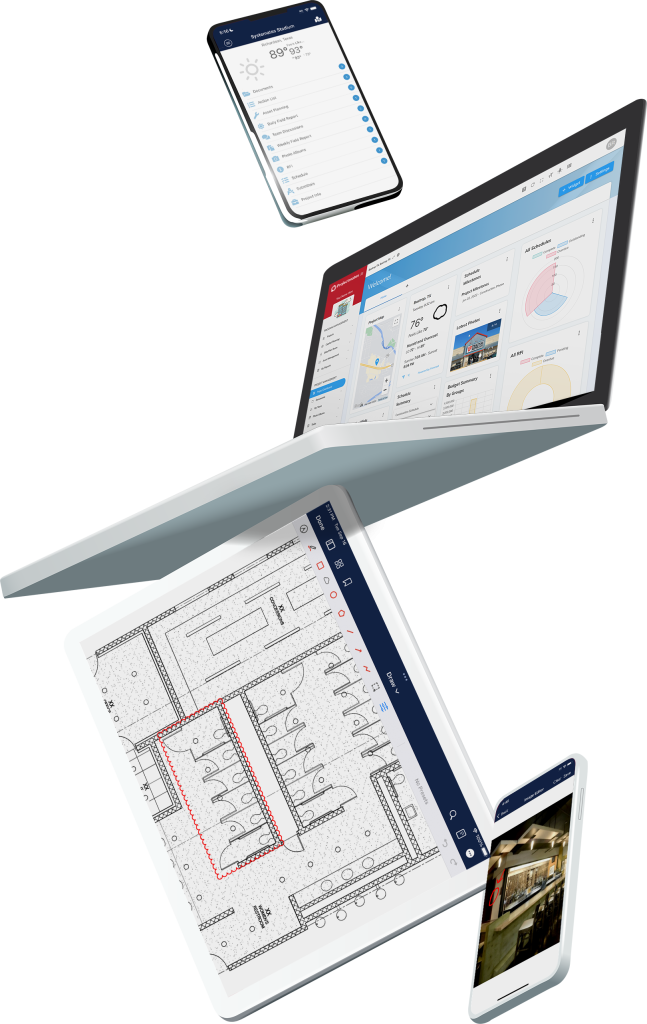
We offer cloud-based construction program management software designed specifically for asset Owners and capital project managers. Our platform manages the entire construction lifecycle, streamlining workflows for budgets, scheduling, and project collaboration from site selection to closeout. Our centralized dashboard acts as a single source of truth for all project stakeholders, allowing Owners, architects, contractors, and engineers to collaborate efficiently.
Our platform’s financial and cost management software features includes robust tools for invoice workflows, bid management, contract administration, and capital planning to keep construction costs within budget. Our document and model control features version-controlled document sharing and the ability to interact directly with 2D/3D CAD and Building Information Modeling (BIM) files. We also offer mobile accessibility with a native app for on-site updates, field-to-office communication, and submittal approvals. Contact us today to learn more.