Why Governance Is the Real Project for Owners
After more than two decades on the Owner side in higher education, I learned that project management isn’t really about buildings. Buildings are just what people see. Governance is what actually determines whether projects succeed or struggle.
It comes down to who has authority, who has responsibility, and how decisions get made, documented, and explained — sometimes years later. When those answers are clear, projects move forward with confidence. When they are not, even well-intentioned teams have a hard time staying aligned.
During my tenure, I worked within centralized governance models where authority sat at the main campus, as well as shared models that required coordination across system offices and individual campuses. Either approach can work. Either can fail. The difference is whether roles are understood and information is consistent. When accountability gets fuzzy, alignment erodes quickly. And when governance breaks down, the consequences show up fast: audit findings, uncomfortable board conversations, delayed approvals, and a lot of time spent explaining instead of leading.
At that point, the problem isn’t the project. It’s trust.

Why Planning Discipline Protects Owners
Every project starts with planning, but in higher education, how much work actually gets done upfront on scope, cost, and schedule varies more than people like to admit. Different funding sources, different expectations, different leadership styles… it all adds up.
Those gaps usually don’t show up right away. They surface later, when a project needs to change, and leadership wants to know why decisions were made. At that point, “we thought it was the right call at the time” isn’t a very satisfying answer.
Over the years, I came to see that disciplined planning wasn’t about slowing projects down. It was about protecting the institution and the people responsible for it. When early decisions are clearly documented, it’s much easier to explain outcomes, respond to audits, and keep projects moving forward when leadership or staff changes. In construction, people change roles, retire, or move on frequently, but the projects keep going. Without clear records, institutional memory walks out the door.
Why Accessible Policies Matter for Project Governance
Higher education runs on policies and procedures. Program manuals, project standards, departmental agreements, and SOPs are necessary to maintain consistency and compliance across complex institutions. The challenge is rarely writing them. The challenge is keeping them current, organized, and accessible to the people who are expected to follow them. I have seen policies scattered across shared drives, outdated PDFs, and long-forgotten email threads. When teams are unsure which version applies, they do not stop work. They make assumptions.
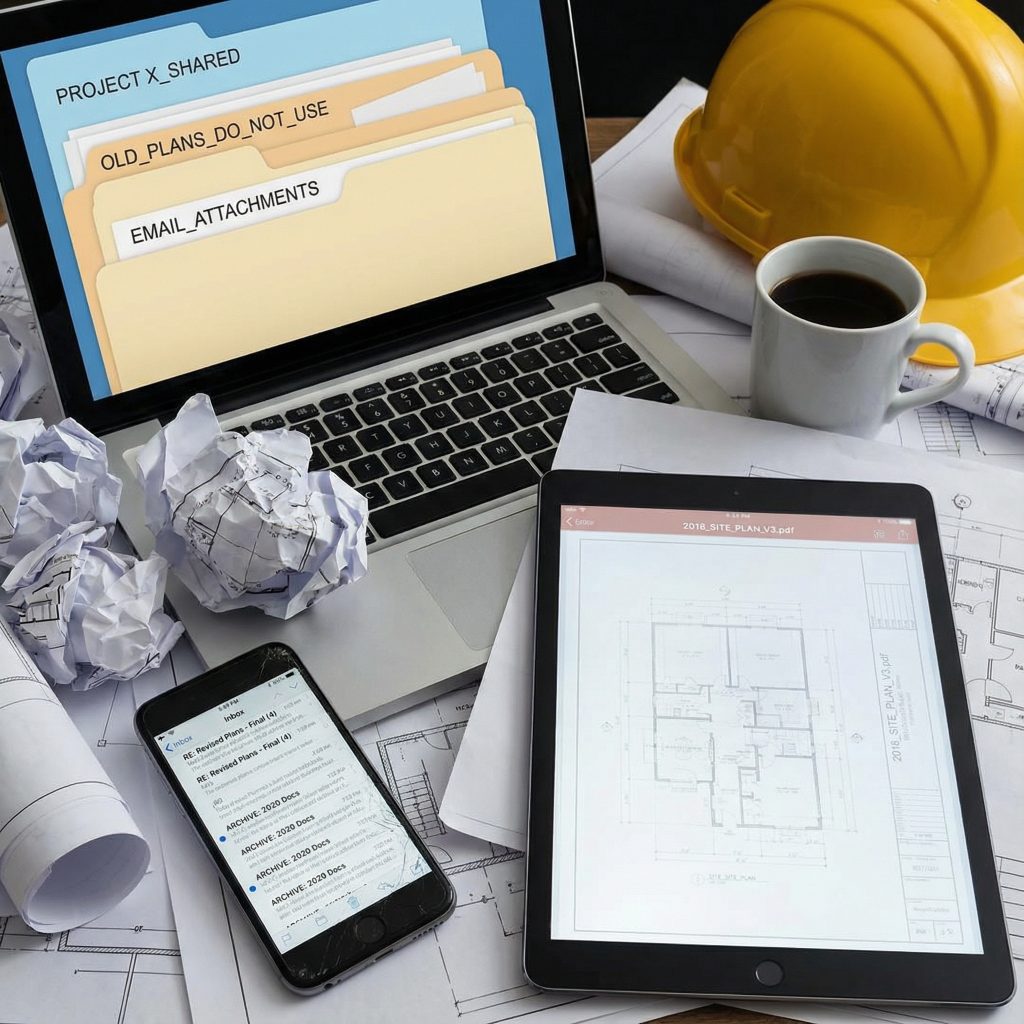
That’s where inconsistency takes hold. Decisions start to vary by department, project, or individual rather than by policy. Over time, those variations become difficult to explain and even harder to defend, especially when leadership or auditors expect to see uniform application of institutional standards.
Governance depends on more than having rules. It depends on ensuring the right guidance is visible, trusted, and usable at the moment decisions are made.
Why Shared Visibility Matters Across Capital Programs
Capital and planned projects often span years, funding cycles, and leadership changes. While each project may follow its own path, institutional leadership still needs a clear, consistent view of what’s happening across the portfolio.
From an Owner’s perspective, shared visibility is not about tracking every detail. It is about understanding exposure. Senior leadership, system offices, and governing boards need to see project status, funding commitments, and emerging risks in a way that is consistent, timely, and defensible.
When project information lives in multiple tools, formats, or informal reports, that visibility breaks down. Teams spend more time reconciling data than managing outcomes. Questions that should be routine become difficult to answer, and confidence in the information erodes.
Shared visibility allows institutions to speak with one voice about their capital program. It reduces surprises, shortens conversations, and supports informed decision-making across departments and leadership levels.
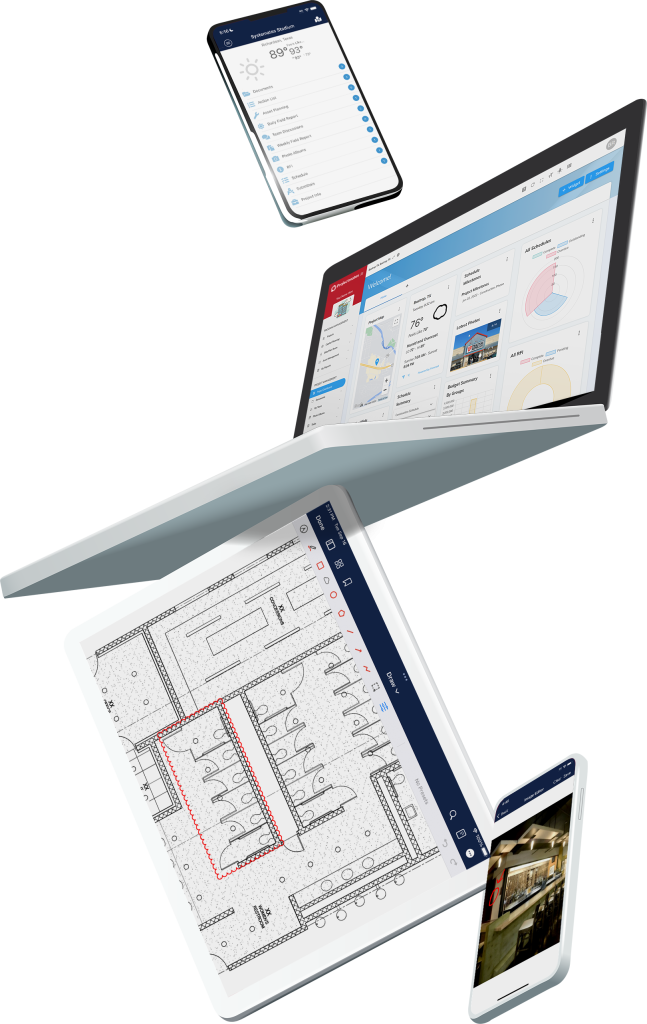
How Project Management Platforms Support Governance for Owners
I didn’t come to value project management information systems because they were “nice to have.” I valued them because they helped me do my job as an Owner.
A well-designed PMIS supports planning discipline, improves transparency, and creates a single source of truth for capital and planned projects. It allows organizations to apply appropriate controls without forcing every project into the same mold. Just as important, it makes reporting easier. Not just for project teams, but for senior leadership and other stakeholders who rely on accurate, consistent information.

When you’re responsible for reporting project performance to the powers that be, having reliable data matters. A lot. Reliable information shortens conversations, reduces friction, and allows leaders to focus on outcomes instead of reconciliation.
Why Technology Supports Governance but Cannot Replace It
No system replaces clear roles, accountability, or leadership. But after years on the Owner side, I’ve seen that institutions that pair strong governance with the right project management platform are better prepared to manage growth, adapt to change, and stand up to scrutiny.
Complexity is part of higher education. That isn’t changing. The question is whether we manage it deliberately. In my experience, structure, visibility, and consistency make all the difference.
After all these years, what I’ve learned is this: Owners don’t need more information, they need confidence in the information they’re using. When governance, planning, and reporting are aligned, decisions get easier, conversations get shorter, and leadership gets clearer.
About The Author
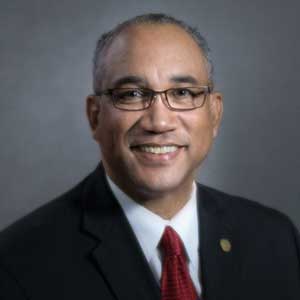
James G. Norcom III, FMP, CJP
Principal Project Manager
James G. Norcom III has more than 40 years of experience in governmental management, construction administration, and higher education project management, including 20 years at the University of Houston. There, he served as an Owner overseeing facilities compliance, emergency response, and capital project delivery across a multi-campus system.
James retired in January 2024 and continues to support the profession as Emeritus Past President of the Texas Association of Physical Plant Administrators (TAPPA). He holds Facility Management Professional (FMP) and Certified Job Order Contracting Professional (CJP) certifications and earned his Bachelor of Science degree from Virginia State University.
Frequently Asked Questions (FAQ)
Governance defines who has authority, how decisions are made, and how those decisions are documented and defended over time. In higher education, governance is especially critical because projects span funding cycles, leadership changes, and public scrutiny. Without clear governance, even well-managed projects can struggle to maintain alignment and accountability.
Tools and processes support project execution, but governance determines how consistently they are applied. Strong governance creates clarity around roles, approvals, and accountability. Without it, technology becomes fragmented and processes vary by department or individual, increasing risk rather than reducing it.
Planning discipline ensures that early assumptions, approvals, and constraints are clearly documented. When projects change or leadership turns over, that documentation allows Owners to explain decisions, respond to audits, and adapt without losing momentum or credibility.
Policies usually fail because they are difficult to find, outdated, or inconsistently applied. When teams cannot confidently identify the correct guidance, they rely on habit or precedent. Over time, this creates inconsistency that is difficult to explain or defend under scrutiny.
A project management platform supports governance by creating a consistent system of record for decisions, documentation, and reporting. It reinforces planning discipline and visibility across projects, but it does not replace leadership, accountability, or judgment. Governance must be established first for technology to be effective.