Look into almost any capital program and you’ll find at least one process that has outlasted the people who created it. A form built in the late 2000s. An approval chain that once solved a specific problem and then just turned into a universal rule. A spreadsheet so delicate that everyone treats it like an archaeological artifact.
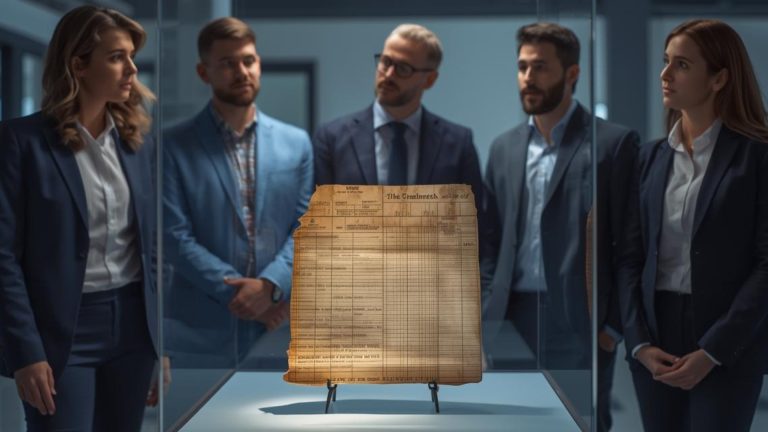
These things tend to linger. They get scanned, duplicated, re-saved, and eventually elevated to “the way we do things.” Not because they still work. Because no one remembers a time when they didn’t exist.
Many of the legacy workflows that Owners rely on weren’t designed by their current team. They were inherited.
And they stick around until someone finally asks the all-important question:
If we were building this workflow today, is this what we’d create?
That question is the spark. It’s the moment that turns digital transformation from a vague aspiration into something tangible. It opens people’s eyes to how many steps exist out of habit rather than necessity, and how much time teams lose to administrative inertia.
It’s also the moment when Owners start taking back control of their operations.
Why Owners Are Reimagining Workflows
The pressure has been building for years. According to the U.S. Bureau of Labor Statistics, construction labor productivity has actually declined by 0.5% annually since 2019, reflecting continued challenges in achieving operational efficiency. Meanwhile, an FMI report found that poor data and disconnected workflows cost construction firms an average of $88 million annually, with 14% of rework directly attributed to these inefficiencies. These aren’t dramatic failures. They’re the slow bleed of small, outdated processes piling up over time.
Owners feel it the most. Smaller teams. More oversight. Tighter budgets. Projects that move faster, but internal processes that move at the speed of 2005. So it’s no surprise that more Owners are revisiting the workflows they once treated as untouchable. And that’s where no-code tools change the game.
The Fear Behind “Customizable Processes”
There’s a reason so many teams have avoided customizing their workflows in the past:
They think customization means coding.
Logic trees. Scripts. IT requests. Consultants.
It’s a fair fear. For years, “customizable” systems were basically “customizable if you have engineers.” Owners stuck with rigid systems because the alternative felt too technical, too slow, or too risky.

But the rise of no-code platforms flips that on its head. Today, roughly half of low-code/no-code users say their top priority is simply replacing paper forms and outdated manual processes. And they’re doing it without hiring developers or waiting six months for an admin to tweak a form field.
No-code takes the fear out of improvement.
It puts workflow control back into the hands of the people who actually run the projects.
And that’s the first real taste of operational freedom most PMOs have had in years.
Why Configurability Matters More Than Ever
Construction programs don’t operate in a vacuum. They operate within a mix of funding rules, regulatory constraints, internal approvals, and organizational culture. No two Owners run their capital programs exactly the same way. And they shouldn’t have to.
When the tools are rigid, teams bend themselves around the system.
When the tools are configurable, the system bends with them.
That flexibility matters when:
- A new funding body adds an extra reporting requirement
- A PMO restructures approval chains
- A department streamlines steps to reduce risk
- A process changes to meet new compliance standards
With a configurable system, those adjustments happen inside hours, not quarter-long IT cycles. And the workflow remains aligned with how the organization operates today, not how it worked five years ago.
That’s how operational maturity actually happens. Not through massive transformations, but through a steady rhythm of small process improvements that compound over time.
Why This Moment Is a Turning Point
The external pressures aren’t going away. Owners are juggling more projects with leaner teams. Financial oversight has intensified. And public institutions face rising expectations for accuracy, transparency, and speed.

Yet only 9 percent of construction leaders expect productivity to significantly improve in the near term. That’s not pessimism. That’s recognition: productivity won’t magically improve on its own. It improves when organizations rethink the workflows that slow them down.
This is why so many Owners are embracing configurable, no-code workflow tools. They’re not looking for trendy tech. They’re looking for control.
From Paper Problems to Digital Confidence
This is where custom applications inside a PMIS come into play. Not as a feature, but as a mindset shift. They allow teams to retire old processes, rebuild them in a cleaner form, and create something that finally fits the way they work today.
A paper form becomes a smart workflow.
A scattered process becomes a structured one.
A fragile spreadsheet becomes a reliable source of truth.
A legacy step that once existed “just because” quietly disappears.
What starts as a simple redesign often becomes a cultural reset.
Teams get faster. Approvals move sooner. Reporting becomes easier. New hires onboard quicker. And the organization starts operating with intention, not habit.
(FAQ) Frequently Asked Questions
Because most of them were created for a moment in time that no longer exists. Teams outgrow the process, the process never updates, and the gap becomes a drag on everything from approvals to reporting.
If your team relies on workarounds, duplicates data, babysits fragile spreadsheets, or waits on a chain of approvals that moves slower than the project itself, the workflow is overdue for a redesign.
You used to. Not anymore. No-code tools let capital program teams redesign processes without writing scripts or pulling in developers. The people who run the work can finally shape how the work is done.
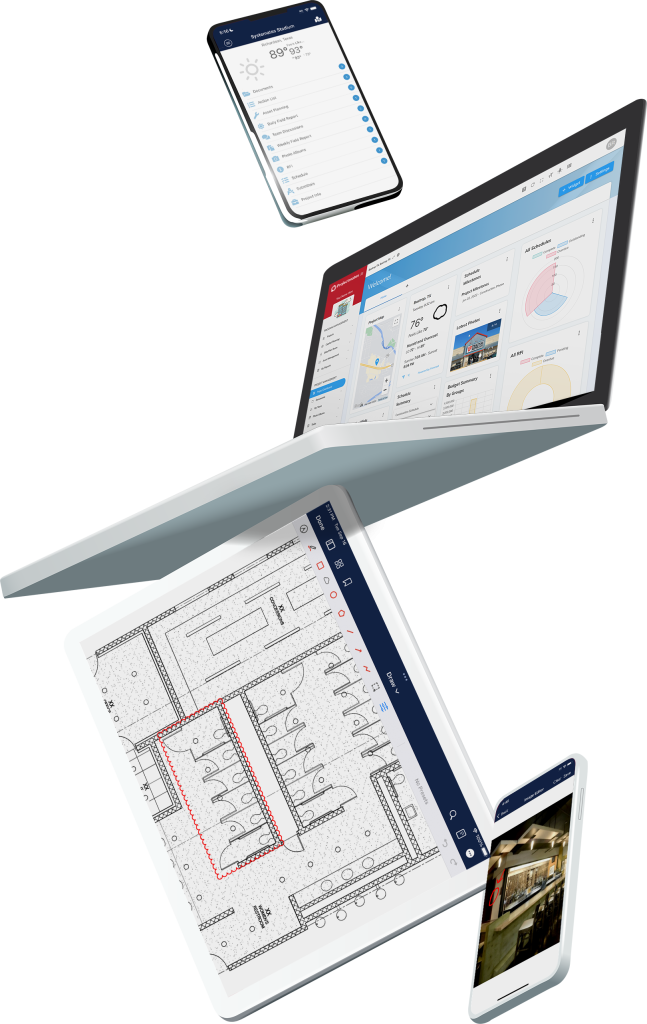
Projectmates gives Owners a configurable workflow engine that turns old paper forms and legacy steps into clean digital processes. You adjust your workflows as your organization evolves, and you do it without waiting on IT cycles.
Most systems lock you into rigid steps that force your team to adapt around the software. Projectmates moves the other way. You configure the workflow to match your funding rules, your approval chains, and your compliance requirements. The tool fits you, not the other way around.
Approvals move faster. Reporting becomes easier. Risk drops because processes are consistent. New hires get up to speed sooner. Teams stop fighting their tools and start focusing on delivery instead of administration.