As a construction project Owner, the buck stops with you. Ultimately, the success or failure of your project comes down to how well you can manage all the various problems and unexpected hitches that are bound to emerge as work progresses.
Whether these challenges pose a threat to your budget, schedule, or compliance, having sound risk mitigation strategies is critical. Without a plan in place, your project may fall victim to cost overruns, schedule delays, and regulatory pressure that can cause long-term operational and reputational consequences for your company. Because all decision-making filters its way down to you, ensuring accountability is key.
Fortunately, there are some very basic construction risk management strategies that can apply to virtually any type of construction project to ensure you stay on top of everything.
Spotting Risk Before It Becomes a Project Problem
The first step in overcoming risk is to prevent issues from emerging in the first place. This means having a well-structured workflow that covers the many issues that can get your project off on the wrong foot, such as:
- Scope clarity: Having a clear idea of the true scope of your project is one of the most crucial aspects of construction risk management and mitigation. Without it, you can find yourself quickly drowning in change orders and scheduling problems as teams hustle to catch up to the reality of the work.
- Procurement approach: Failing to plan ahead sufficiently for materials means you could get swept up in pricing volatility. By locking down vendors and quotes as early as possible, you can avoid watching your costs spiral out of control.
- Contract structure: Contracts are binding, and anything that is overlooked during the drafting process means major headaches for you. Having a document management workflow with version control and approval capabilities ensures disputes won’t overtake your project.
- Governance gaps: If you have no mechanisms in place for ensuring accountability for all aspects of the job, critical reporting and workflow considerations will fall through the cracks. Simply put, all stakeholders need to understand their roles and responsibilities for every phase and aspect of the work.
Cost and Schedule Risk: Where Projects Lose Control
Time and money are precious on the jobsite, and any minor flaws in planning in either budgeting or scheduling can grow out of control in a hurry. In the vast majority of cases, the issue isn’t contractors who don’t live up to their end of the bargain but rather a lack of contractor oversight and control at the top.
Having cost tracking software that provides visibility into expenses and scheduling trends gives you the opportunity to identify early warning signs of budget and schedule overruns and address them before they escalate.
For example, seeing that a certain vendor is consistently slipping on providing on-time deliveries means you can find alternative or supplementary sources to ensure those delays don’t create a domino effect that puts your entire schedule at risk.
Compliance Gaps and Documentation Exposure
Severe weather and unexpectedly soft soils are one thing, but red tape can really throw your project into disarray. This is why it’s critical to make consistent record-keeping and audit readiness core components of your construction compliance risk management efforts.
Being able to provide authorities with concise, defensible documentation can be critical to preventing regulatory entanglements and avoiding unnecessary scrutiny. Unfortunately, too many project Owners move forward without adequate defensibility and governance preparation, including structured construction document management and disciplined change management risk controls.
Capital Project Governance, Approvals, and Risk Containment
When it comes to getting things done on the jobsite, it’s important to know who is in charge of what whenever questions arise. Processes have to be kept consistent across teams and projects to prevent confusion. At the same time, defined authority and escalation paths mean questions don’t hang around in limbo waiting for the right person to find them.
Building a culture around discipline, accountability, and repeatable processes is essential. Leveraging workflow management software helps formalize approvals, standardize communication, and document decision-making across the project lifecycle.
This creates structured workflows and protocols that improve visibility and provide a stronger defense against risk, helping prevent disruptive issues from escalating.
Why Proactive Risk Management Pays Off at Scale
Proactive construction risk management for Owners helps keep projects on track and reduces Owner risk exposure across your portfolio. A consistent system brings greater predictability, fewer surprises, and stronger long-term performance.
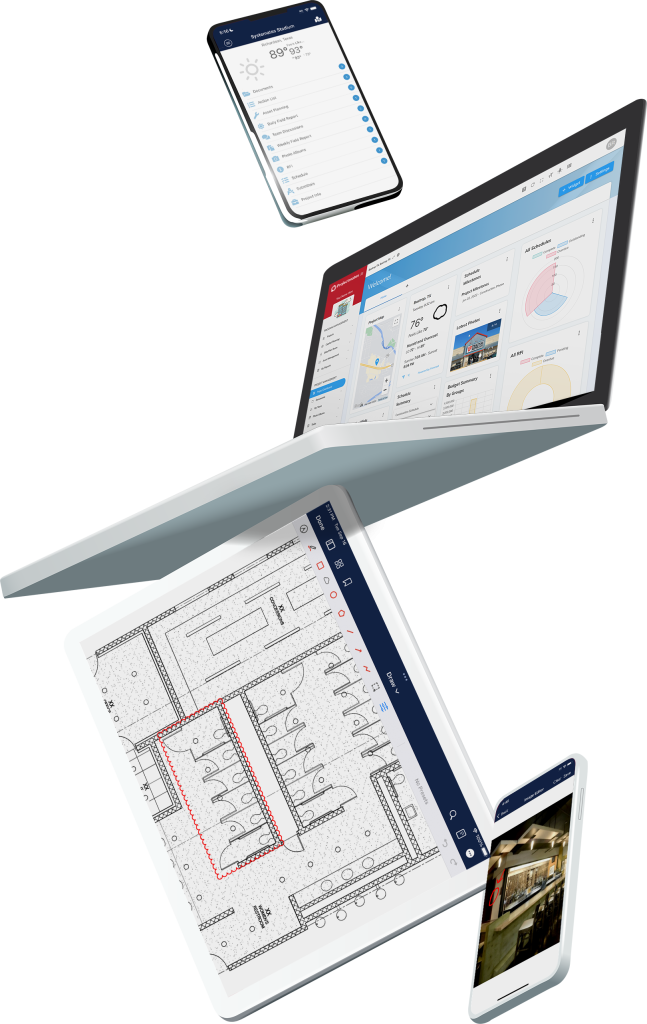
Projectmates is an Owner-focused capital program management software platform that helps you maintain control through accountability, simplified workflows, and advanced analytics. With integrated analytics and reporting insights, Owners gain visibility into cost, schedule, and risk trends across projects.
To learn more about what it can do for you, reach out and request a demo today.