2025 was not an edge case. It was a stress test.
Schedules slipped, budgets tightened, and teams were forced to react in real time. What broke was not effort or commitment. What broke were weak planning assumptions and systems that relied on workarounds instead of a solid structure.
The lesson to take into 2026 is simple, even if it is uncomfortable: asking teams to work harder is not a strategy. Building systems that work under pressure is.
Here are five lessons from 2025 that matter if you want your 2026 plan to hold up when conditions change.
1. The Plans That Held Up Were Built on Fundamentals
When it mattered most, the teams completing projects on time and on budget relied on core fundamental project management strategies that maximized value and consistency.
Repeatable workflows.
Clean documentation.
Clear collaboration.

Not exactly exciting but very effective.
Teams that had these fundamentals in place made decisions faster, saw risk earlier, and spent less time untangling downstream messes. If your processes only work when conditions are calm, they are not processes. They are wishes.
2. Data Quality Beat Speed, Every Time

Teams that rushed decisions without reliable inputs moved fast and broke expensive things. Teams with disciplined data habits stayed accurate and avoided compounding mistakes.
This matters even more as AI enters the conversation.
3. AI Is Not a Strategy. It Is a Tool That Needs Rules.
AI is not a strategy.
AI is not judgment.
AI is not accountability.
What AI does well today is narrower and more practical:

Pattern recognition.
Early risk signals.
Summarization.
Reducing administrative load.
This reality check matters because technology without governance amplifies mistakes as fast as it accelerates insights.
4. Your PMIS Should Assist Decisions, Not Make Them
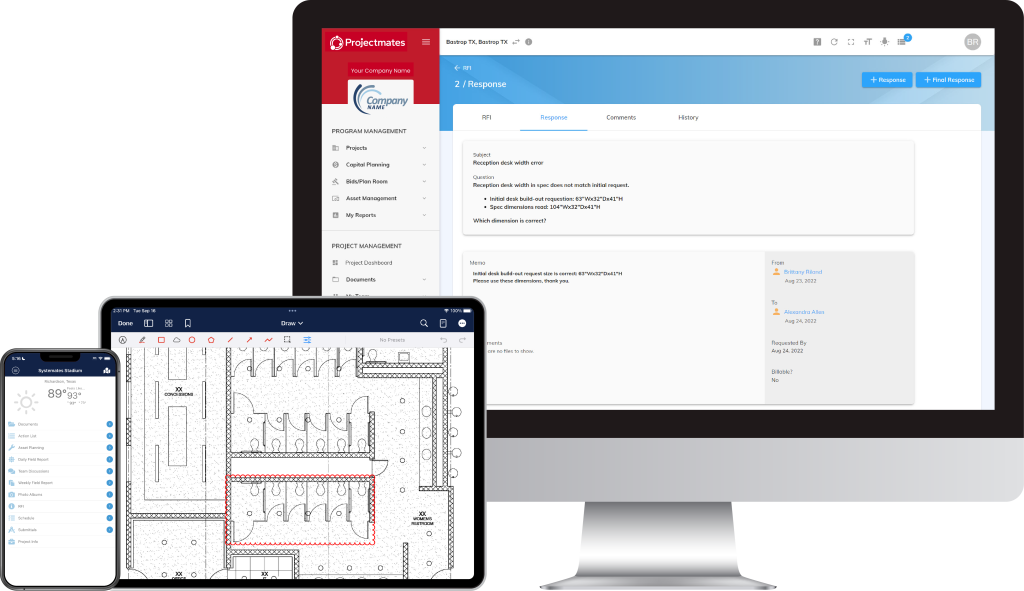
A modern PMIS is no longer just a system of record. It is moving from reactive reporting to predictive insight. From documentation as history to documentation as signal.
The rule set should be simple enough to remember and enforce:
Assist, not decide.
Surface risk, not mask it.
Accelerate insight, not bypass process.
When your PMIS follows these principles, technology strengthens Owner oversight instead of eroding it. Decisions stay human.
5. Planning Is No Longer a Phase. It Is the Operating Model.
Planning is not something you finish. It is something you run.
The most resilient organizations treat planning as an always-on discipline. Not a kickoff artifact. Not a binder on a shelf. A living system for managing risk, tradeoffs, and decisions across the entire capital program.
Structure does not slow teams down. It gives them permission to move faster without guessing. Tools only work when the processes behind them are intentional.

Switching from Reactive to Intentional Strategy
The lesson from 2025 is not that teams failed. It is that heroics do not scale.
Resilience comes from fundamentals, disciplined data, governed technology, and planning treated as an operating model. Owners who internalize that shift are not just preparing for 2026. They are building systems that hold up when the next surprise shows up.
Frequently Asked Questions (FAQ)
Owners should prioritize structure over speed. That means tightening fundamentals like workflows, documentation standards, forecasting discipline, and data governance before chasing new tools. Teams that invested in repeatable processes in 2025 were better positioned to absorb volatility without relying on last-minute heroics.
Data quality directly affects risk visibility. Inaccurate, incomplete, or inconsistent data leads to delayed reactions and compounding errors. As AI and automation become more common, poor data quality becomes even riskier because it produces outputs that appear confident but are fundamentally flawed.
Yes, but only within clear boundaries. AI is useful for pattern recognition, early risk signals, summarization, and reducing administrative workload. It is not a replacement for judgment, accountability, or governance. Owners should define where AI can assist and where human decision-making is mandatory.
A modern PMIS should assist decisions, not make them. Its role is to surface risk early, provide consistent visibility across projects, and support structured decision-making. When properly governed, a PMIS shifts teams from reactive reporting to proactive management without obscuring accountability.
Structure reduces hesitation and rework. When workflows, data standards, and decision rules are clear, teams spend less time debating inputs and correcting downstream issues. The result is faster, more confident decision-making without guessing or relying on individual heroics.