If you think of procurement in construction simply as buying materials for your project, you’re not seeing the full picture. Owners in the know understand that procurement actually encompasses multiple jobs, including planning the purchases, sourcing vendors to bid on the job, evaluating their proposals, awarding the work and documenting the commitments made across the entire project lifecycle.
Without strong adherence to best practices at each phase of the construction procurement process, Owners can find themselves quickly overwhelmed by compounding issues. Procurement shapes the selection of contractors, the timing of bids, contract clarity and downstream cost control.
Owners, developers, and government institutions need to get a handle on their procurement if they want to achieve the visibility, compliance and execution needed for a smooth and successful project. What follows are some procurement best practices Owners can put to use to ensure the best possible outcomes for their capital projects.
Start Procurement Planning Early and Tie It to Project Scope
Teams should start thinking about procurement as soon as possible, and the process should be tied to the project’s scope. Without a clear idea of what the project’s scope looks like, teams can become bogged down with change orders, bid confusion, and rework later on the project lifecycle. Rather than treating it as its own separate standalone task, Owners should connect the timing of their procurement with budget controls and contract strategy.
Before going out to solicit bids, Owners need to make sure their procurement aligns with:
- Project scope
- Budget assumptions
- Schedule milestones
- Approval requirements
Standardize Construction Bid Management Without Slowing Down the Process
Managing disparate bids can create confusion without the right safeguards in place. Owners need to standardize their bid requirements, deadlines, contract documentation rules, and evaluation criteria to ensure all bidders receive the same information and their teams can compare the responses with consistency.
Having a repeatable, configurable bid management software is critical for providing fairness, responsiveness, and auditability across capital projects. This should include structured bid workflows, status tracking, and centralized documentation, especially when managing multiple bids or stakeholders.
Evaluate Vendors on More Than Price Alone
When it comes to vendor selection in construction, going with the cheapest bid isn’t typically a winning strategy. A low bid can mask a number of inadequacies that can end up costing an Owner far more than if a higher bid was chosen from a vendor who was a better fit for the project overall.
This is why it’s important for Owners to look above and beyond the bottom line and evaluate bidders based on factors such as:
- Capability
- Experience
- Schedule realism
- Documentation quality
- Compliance readiness
- Risk profile
Establishing the baseline in each of these categories is critical for ensuring the contractor will be the best match for the Owner’s needs. For example, if a contractor says it can complete the job in under two weeks when the Owner knows the work calls for at least four weeks, that should be taken as a sign that the contractor doesn’t fully understand the job or will cut corners.
Clear evaluation criteria also protect Owners in the event of downstream disputes because it makes it easier to defend their decisions, making them a key element of procurement risk management.
Build Procurement Controls That Improve Visibility and Reduce Risk
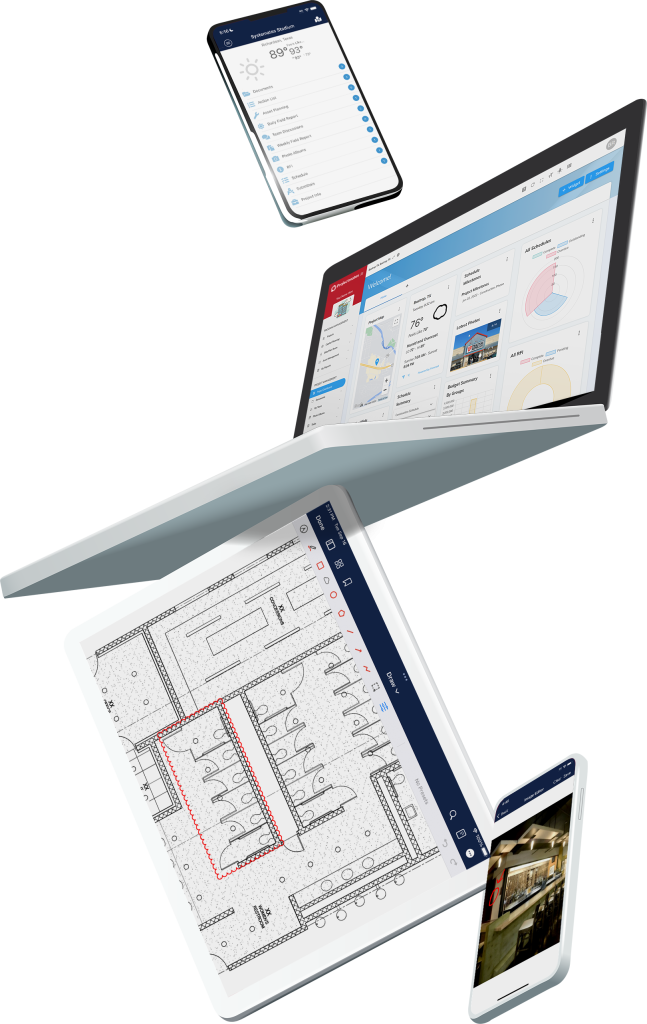
Having robust, Owner-focused construction project management software can be the key to getting more control over the procurement process. With features such as document management, approval workflows, bid records, budget tracking, and reporting dashboards, Owners can ensure their capital project procurement stays connected to project execution.
When teams have the ability to see commitments, cost movement, deadlines, and supporting documents from a single connected system, it provides the visibility and traceability that are vital for keeping all aspects of the project on track. With a configurable software platform, all of this becomes much easier.
Some of the most common mistakes Owners make that lead to these unfortunate situations include:
- Inconsistent bidder communications
- Unclear contract terms
- Weak document control
- Making procurement decisions without cost visibility
This is why it’s important for Owners and their teams to approach procurement as an integrated workflow that’s linked to budgeting, contracts, and project reporting.
FAQs: Common Questions About Construction Procurement Best Practices
Collaborative procurement means bringing stakeholders together as early as possible to deliver input that can lower costs and improve efficiency. Having a standardized strategy for procurement based on best practices means decisions can be made faster and with better accuracy to enable these strategies.
Having a strong procurement process that connects with bids, contracts, construction cost tracking, and approvals rather than managing them all in their own silos is perhaps the best thing Owners can do to ensure their procurement puts projects in the best place for success.
The use of Owner-focused capital program management software ensures processes remain consistent across the entire project portfolio with procurement workflow automation.
Any capital project is a good candidate for the use of comprehensive construction management software that delivers configurable workflows that deliver repeatability and clear governance.
Any failures that occur during the procurement process are unlike to remain there. These are likely to manifest themselves elsewhere in the project in the form of schedule slips, disputes, change orders, and budget overruns.